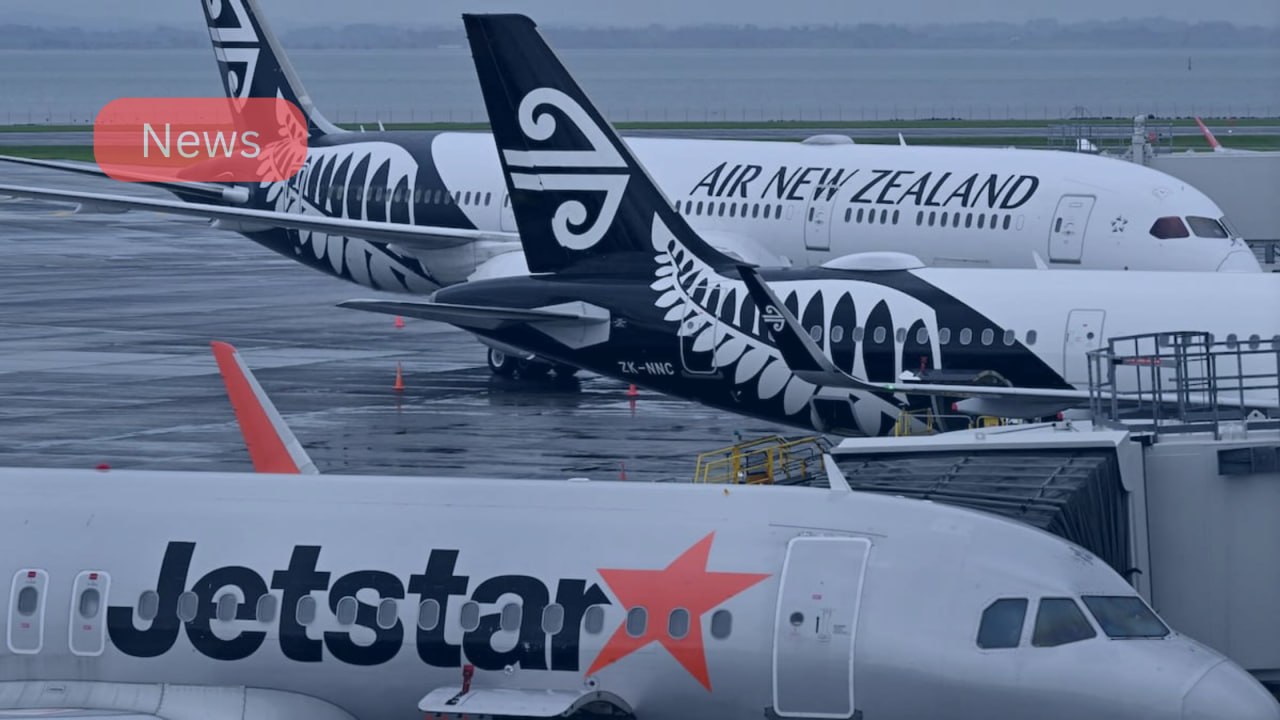

An escalating aviation engineer shortage is constraining flight operations and threatening future air transport expansion. According to reporting by senior aviation journalist Grant Bradley in the NZ Herald, technical workforce deficits are deteriorating across both regional and international flight networks. Industry leaders warn that without immediate intervention in training pipelines, air carriers will face severe operational caps.
Simon Wallace, Chief Executive of the Aviation Industry Association of New Zealand (AIANZ), delivered a blunt assessment on the crisis. “There is still a shortage and the shortage is getting worse,” Wallace stated. The deficit is no longer just a hiring inconvenience for human resource departments; it has evolved into a physical ceiling on overall commercial aviation capacity.
How the Aviation Engineer Shortage Restricts Airline Fleet Operations
The underlying cause of the aviation engineer shortage stems from a severe mismatch between workforce entries and industry exits. Research published jointly by AIANZ and the Ringa Hora Services Workforce Development Council reveals that aircraft engineering entries grow at just 1.4% annually. Meanwhile, retirement and industry exits run at 3.0% per year. This persistent net drain leaves maintenance repair and overhaul (MRO) facilities struggling to maintain required staffing levels.
Global demand further intensifies domestic pressures. Boeing’s commercial outlook estimates that the worldwide commercial aviation workforce will require 2.4 million new professionals over the next 20 years. Because global airlines actively recruit certified aircraft technicians, domestic operators must compete against international carriers capable of offering higher compensation packages.
GLOBAL VS. REGIONAL WORKFORCE DEMAND
- Global 20-Year Demand: 2.4 million new commercial aviation professionals (Boeing Outlook)
- Domestic Engineering Growth Rate: 1.0% per decade
- Industry Operational Demand Growth: 3.0% per decade
Training Pipelines and Aircraft Maintenance Engineer Training Bottlenecks
Rebuilding the workforce requires robust aircraft maintenance engineer training programs, yet local pipelines remain choked. Data from the Tertiary Education Commission (TEC) indicates that work-based engineering learner counts dropped to 560, falling short of pre-pandemic benchmarks. Technical institutes report turning away qualified applicants due to a lack of government-funded training slots.
High personal costs also deter entry-level candidates. Basic aviation training pathways require significant out-of-pocket investment, while student loan caps for technical trades have remained stagnant for over a decade. While international migration offers temporary relief, relocation costs and complex visa processing prevent smaller regional operators from utilizing overseas hiring strategies.
Cascading Impacts on Airline Maintenance Overhaul and Infrastructure
The lack of licensed technicians creates ripple effects across the supply chain, impacting airline maintenance overhaul schedules and airport infrastructure. Unscheduled aircraft groundings force carriers to burn extra fuel rerouting flights when primary diversion bases lack necessary support crews.
Key operational impacts include:
- Extended Aircraft Downtime: Scheduled maintenance checks take longer, reducing total aircraft availability and pushing passenger airfares higher.
- Freight Disruptions: High-value, time-sensitive exports—such as fresh seafood and pharmaceuticals, face capacity cuts as passenger aircraft belly-space drops.
- Regional Connectivity Loss: Smaller regional airlines struggle to compete for engineers, leaving remote communities vulnerable to reduced flight frequencies.
- Emergency Runway Constraints: Backup diversion airports experience operational limits due to night-shift staffing deficits in emergency and rescue operations.
Board of Airline Representatives executive director Cath O’Brien noted that staffing gaps across emergency services directly constrain the volume of flights permissible in regional airspaces.
Industry Outlook: Addressing Long-Term Aviation Industry Growth
Sustaining future aviation industry growth demands immediate policy reform and structural investment in technical education. Industry representatives emphasize that reliance on immigration cannot replace a sustainable domestic training strategy.
To reverse current workforce decline, industry groups urge governments to lift student funding ceilings, increase funded polytechnic seats, and expand airline apprenticeship subsidies. Without direct structural adjustments, technician shortages will continue to bottleneck commercial air transport growth.







