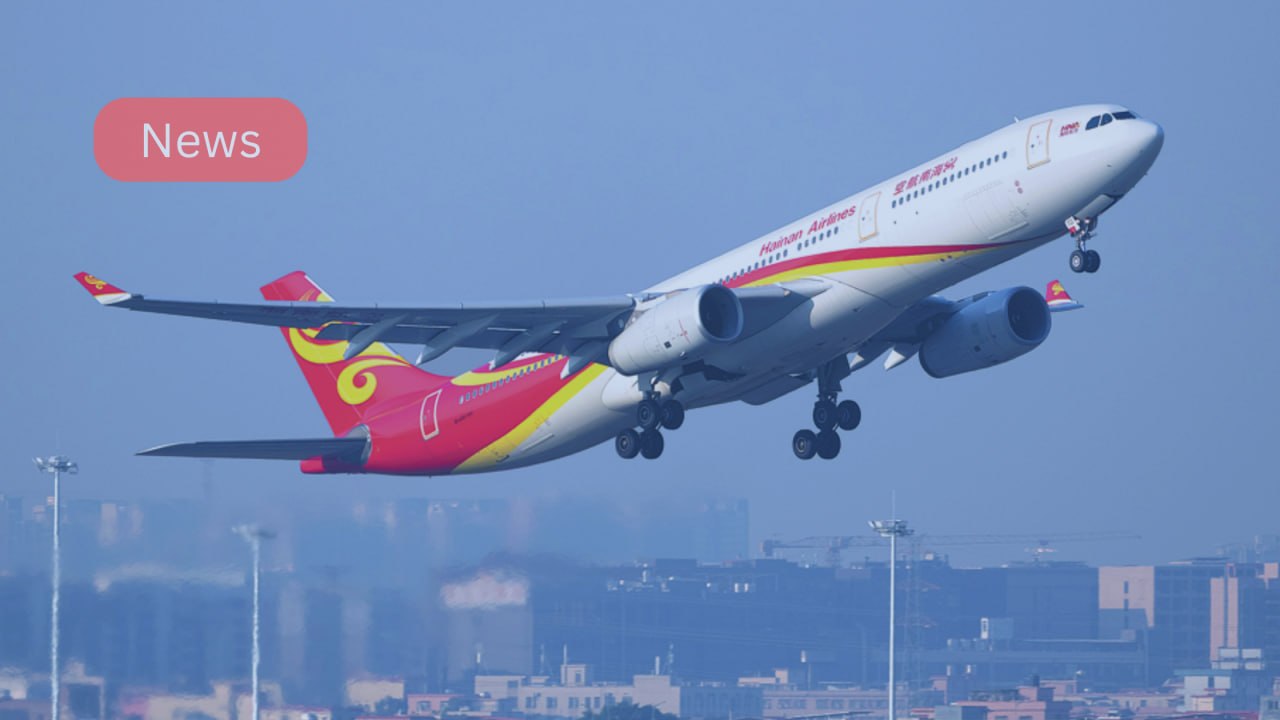

Chinese airlines have placed orders for nearly 500 new aircraft over the past seven months. This major Chinese airlines Airbus order demonstrates strong confidence in long-term passenger growth across Asia.According to reporter Li Jing from China Daily, Air China, Shenzhen Airlines, and Hainan Airlines recently finalized agreements for 95 Airbus jets. These agreements hold a combined catalog value of approximately $17.8 billion. When combined with earlier purchases by China Southern, Xiamen Airlines, and China Eastern, domestic carriers have committed to 476 European jets since late 2025.This extensive buying spree comes despite persistent operational headwinds across the regional airline sector. Major carriers recently warned of substantial first-half losses as rising fuel prices and operational costs squeezed profit margins. However, executives view aircraft procurement as a decade-long strategic planning exercise rather than a reaction to short-term earnings volatility.
Strategic Fleet Modernization and Supply Chain Drivers
Airline operators face a changing market environment requiring immediate planning. The newly ordered jets carry delivery slots scheduled between 2028 and 2032. Spreading capital expenditure over multiple fiscal years helps protect near-term corporate cash flow.
Key Industry Drivers:
- Fleet Modernization: Replacing aged airframes grounded during prior travel disruptions.
- Capacity Optimization: Securing scarce production slots in advance.
- Fuel Efficiency: Integrating new engine technology to cut operating burn.
Guo Jia, a civil aviation professor at Guangdong University of Foreign Studies, noted that the core driver remains fleet renewal. Many aircraft remained grounded during the pandemic, making fleet youth a top operational priority. Securing early delivery slots also protects airlines against tight global production queues.
Growth Targets Fuel Modernization Demand
The expansion of the airbus narrowbody fleet aligns with ambitious national aviation growth projections. The Civil Aviation Administration of China projects annual passenger traffic to reach 1.5 billion by 2035. That figure represents nearly double the 770 million passengers carried in 2025.
Furthermore, Boeing’s latest commercial outlook estimates that global passenger traffic will double over two decades. Meeting that demand will require 43,625 new commercial aircraft globally. Emerging markets in Asia and the Middle East will account for roughly 55 percent of those deliveries. The rapid expansion of the commercial aviation market drives carriers to secure manufacturing commitments early.
Global Supply Chain Bottlenecks Persist
Even with firm order books, global delivery delays present serious operational hurdles for airlines. Engine component shortages and maintenance backlogs continue to slow factory output.
International Air Transport Association Director General Willie Walsh highlighted these challenges during a recent industry update. He warned that engine repair bottlenecks are disrupting airline operations worldwide. These airline supply chain disruptions force carriers to extend existing leases and maintain older, less efficient aircraft longer than planned.
Coexistence with Domestic Jet Programs
The major Airbus commitment has raised questions regarding domestic manufacturing goals. However, analysts dismiss concerns that foreign orders will displace the indigenous COMAC C919 aircraft.
- COMAC currently holds over 1,500 orders and commitments for the C919 program.
- Production bottlenecks affect all major manufacturers, including Boeing, Airbus, and COMAC.
- The primary challenge for COMAC remains scaling assembly capacity while strengthening its regional supplier network.
Industry Outlook: What’s Next for Regional Aviation?
Looking ahead, Chinese carriers will focus on balancing capital commitments with near-term revenue recovery. Airlines must carefully manage delivery timelines as manufacturers work through global supply backlogs.
Over the coming decade, passenger traffic growth across Asia will keep demand for modern aircraft high. Carriers that secure delivery slots early will hold a distinct competitive edge. Balancing domestic manufacturing growth with established global supply partnerships will remain central to regional airline strategy.