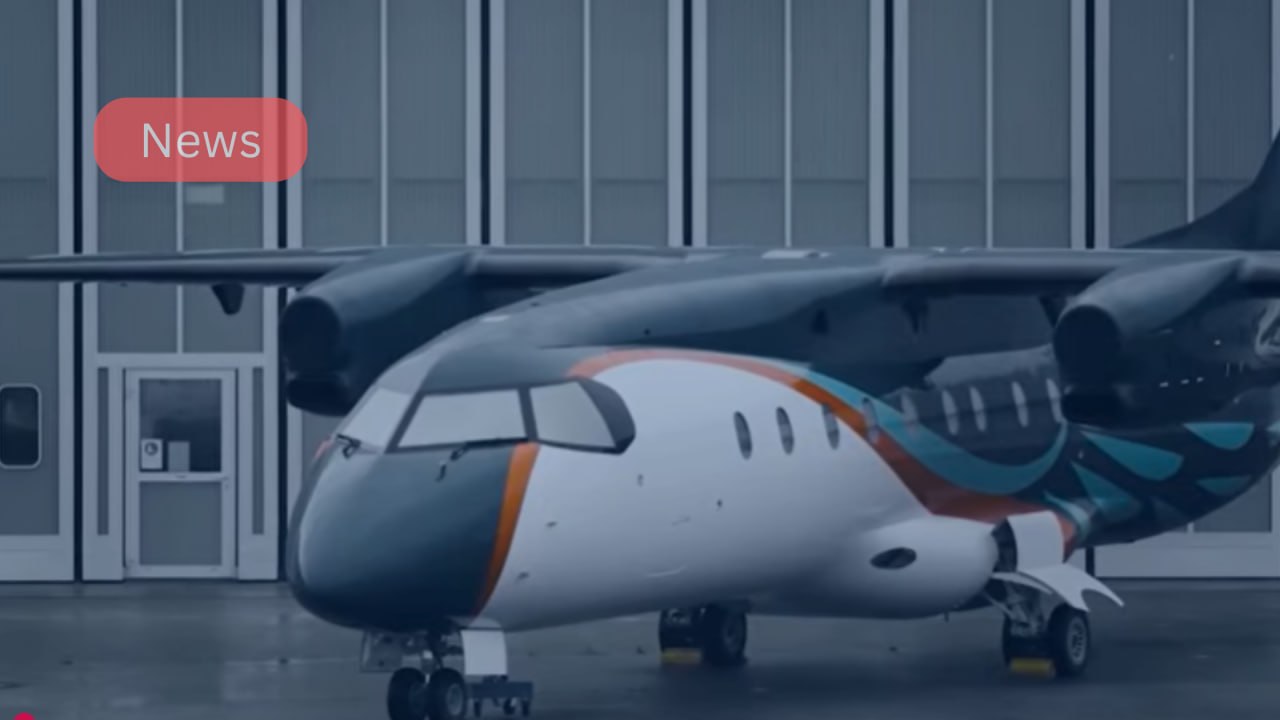

The Dornier 328 revival is moving from concept to reality as Deutsche Aircraft advances production of the next-generation D328eco regional turboprop. According to aviation journalist Josh Eyre in Simple Flying, the aircraft combines the proven performance of the original Dornier 328 with modern avionics, improved efficiency, and compatibility with Sustainable Aviation Fuel (SAF).
Originally introduced in 1993, the Dornier 328 earned a reputation for its speed, short-field capability, and passenger comfort. More than three decades later, Deutsche Aircraft aims to modernize the design for today’s regional airline market while manufacturing the aircraft in Germany.
Why the Dornier 328 Is Returning
The aviation industry faces growing demand for efficient aircraft capable of serving regional airports with lower operating costs.
The D328eco addresses this demand by offering:
- Approximately 40 passenger seats
- Modern cockpit systems
- Improved fuel efficiency
- Compatibility with 100% Sustainable Aviation Fuel
- Short runway performance suitable for regional airports
These upgrades preserve the strengths of the original aircraft while meeting current environmental and operational expectations.
How the D328eco Differs from the Original
Although inspired by the classic Dornier 328, the D328eco is not simply a restarted production line.
Major improvements include:
- Extended fuselage
- Updated avionics
- New systems architecture
- Modern manufacturing processes
- Reduced environmental footprint
The aircraft will be assembled at Deutsche Aircraft’s new facility at Leipzig/Halle Airport.
Regional Turboprop Market Outlook
Regional airlines increasingly require aircraft that balance operating costs with environmental performance.
Compared with larger regional jets, turboprops typically consume less fuel on short sectors while maintaining access to smaller airports.
The D328eco will compete within a market where airlines continue seeking efficient aircraft for routes with lower passenger demand. Success will ultimately depend on certification, production schedules, airline orders, and long-term operating economics.
Industry Background
The original Dornier 328 entered commercial service in October 1993 after its first flight in 1991.
Production ended following the collapse of Fairchild Dornier in the early 2000s, despite the aircraft developing a loyal operator base.
The program was later acquired through several ownership changes before evolving into today’s Deutsche Aircraft D328eco initiative.
Key Impacts
- Revival of a respected regional aircraft platform.
- New manufacturing activity in Germany.
- Increased competition in regional aviation.
- Support for sustainable aviation initiatives.
- Additional options for airlines serving smaller communities.
What’s Next
The next major milestones include certification testing, production ramp-up, and initial customer deliveries. If Deutsche Aircraft meets these objectives, the D328eco could become one of the most significant revivals of a legacy regional aircraft in recent decades, offering airlines an efficient option for short-haul operations while supporting sustainability goals.







