
East Africa’s small airlines are facing rising fuel costs, weaker demand and disrupted Gulf connections as the Iran conflict continues to affect aviation markets. The EastAfrican reported the pressure on September 12, 2026, in a report by Business and Technology Reporter Vincent Owino.
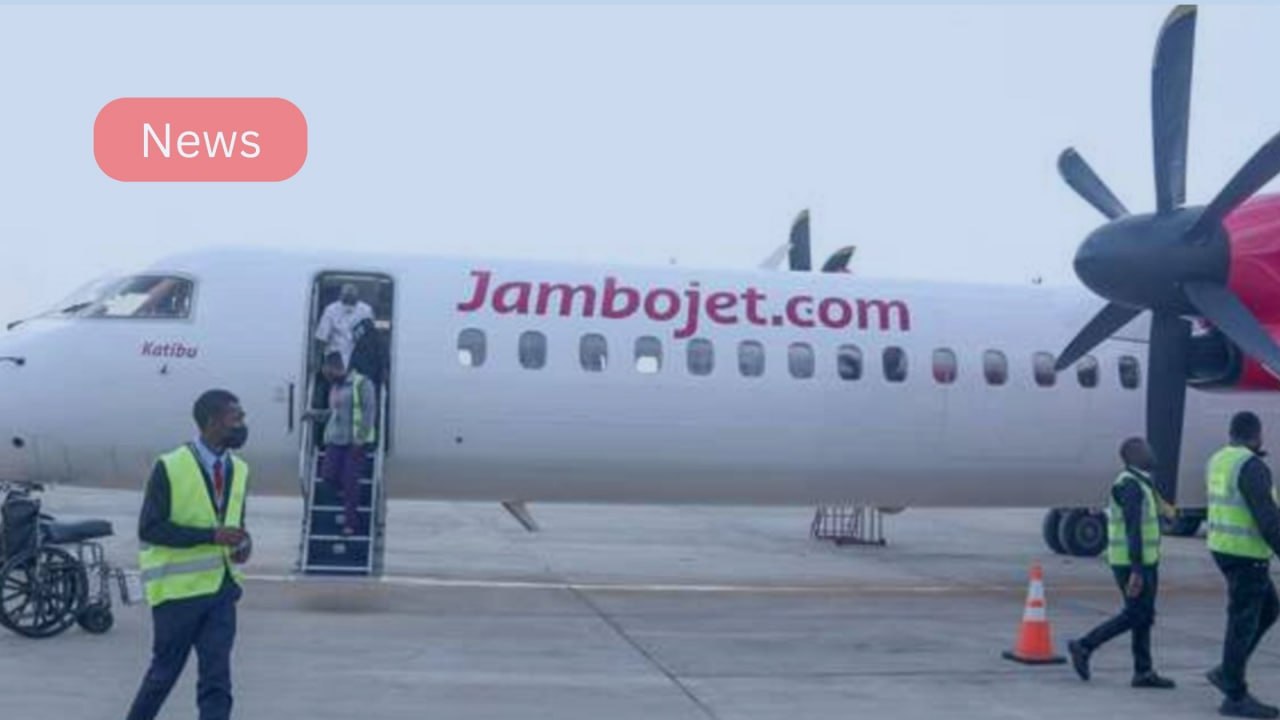
The impact is particularly visible at smaller regional carriers. RwandAir suspended services to Dubai and Doha, while Kenya’s Jambojet reduced capacity on some routes after demand weakened. At the same time, larger network airlines such as Kenya Airways and Ethiopian Airlines have benefited from traffic shifting away from disrupted Middle Eastern hubs.
East Africa Small Airlines Face Higher Fuel Costs
RwandAir CEO Yvonne Makolo said the disruption had pushed fuel to more than 40% of the airline’s costs. The airline had suspended flights to Dubai and Doha during the regional disruption, affecting important passenger and cargo connections.
Jambojet also adjusted its network in response to weaker demand. CEO Karanja Ndegwa said the airline reduced frequencies on some routes to avoid operating flights with significantly lower load factors. The airline later increased capacity as demand and load factors improved.
The broader fuel problem extends beyond individual carriers. IATA says the Middle East disruption has created major fuel-price and supply pressures, with African airlines particularly exposed because of their reliance on imported jet fuel.
African Aviation Fuel Costs and Airline Margins
The financial pressure is significant because fuel represents one of the largest airline operating expenses.
IATA’s June 2026 industry outlook forecast average jet-fuel prices of about $152 per barrel for 2026, almost 70% above the previous year’s average. It also projected that fuel would represent 31.4% of global airline operating expenses.
IATA expects the impact to vary between carriers. African hub airlines can capture passengers diverted from Middle Eastern connections, but smaller and more fragmented operators have weaker financial buffers and fewer alternative markets.
This creates a difficult trade-off for regional airlines:
- Higher fuel prices increase operating costs.
- Longer routings can increase fuel burn when aircraft avoid affected airspace.
- Weaker demand can reduce load factors.
- Capacity reductions can protect cash flow but also reduce connectivity.
- Traffic diversion can create opportunities for larger African hubs.
Kenya Airways Shows a Different Pattern
Kenya Airways illustrates how the disruption can produce mixed results.
The airline reported a 9% increase in first-half 2026 revenue to KSh81 billion, despite operating 9% less capacity. Its cabin factor improved by four percentage points.
However, higher costs continued to pressure the airline. Kenya Airways reported a 32% increase in fuel costs, while jet-fuel prices increased by 66%. The carrier recorded a KSh16.1 billion loss after tax, compared with KSh12.2 billion in the previous year.
This distinction matters. The EastAfrican report described the 66% figure as an increase in fuel costs, but Kenya Airways’ own financial statement identifies it as the increase in jet-fuel prices. The airline’s actual fuel-cost increase was 32%.
Ethiopian Airlines Benefits From Traffic Shifts
Ethiopian Airlines has also continued to expand despite the geopolitical disruption.
The carrier reported $9.1 billion in revenue for the 2025/26 fiscal year and transported 20.7 million passengers. Ethiopian Airlines said passenger traffic increased by 8%, while cargo volumes rose 16% to 897,000 tonnes.
The results demonstrate the different effects of the disruption across the African market. Large hub carriers with extensive networks can potentially capture rerouted traffic, while smaller airlines with concentrated networks have fewer alternatives when individual routes become uneconomic.
Middle East Airspace Disruption and ICAO Safety Rules
Airspace disruption also has an operational dimension.
ICAO states that safety assessments around conflict zones remain the responsibility of states, air navigation service providers and airlines under applicable international aviation provisions. When conflict disrupts international traffic, ICAO supports coordination between affected and neighbouring states and aviation stakeholders to maintain safe and orderly air services.
This means airlines cannot simply choose the shortest available route when conflict creates safety concerns. Rerouting may increase flight time, fuel consumption and operating costs.
IATA’s analysis similarly identifies longer routings and airspace restrictions as important contributors to higher airline costs during geopolitical disruptions.
Industry Outlook
The experience of East African airlines shows that geopolitical disruptions do not affect every carrier in the same way.
Larger hubs such as Nairobi and Addis Ababa can capture redirected traffic, while smaller regional airlines remain more exposed to fuel prices, concentrated routes and weaker financial buffers. IATA expects these structural differences to remain important as African aviation continues to grow.
For East Africa’s smaller carriers, the key issues will be fuel availability, route economics, demand recovery and the duration of Middle East-related airspace disruption. Airlines that can adjust capacity while maintaining essential regional connectivity will remain better positioned to manage the continuing volatility.