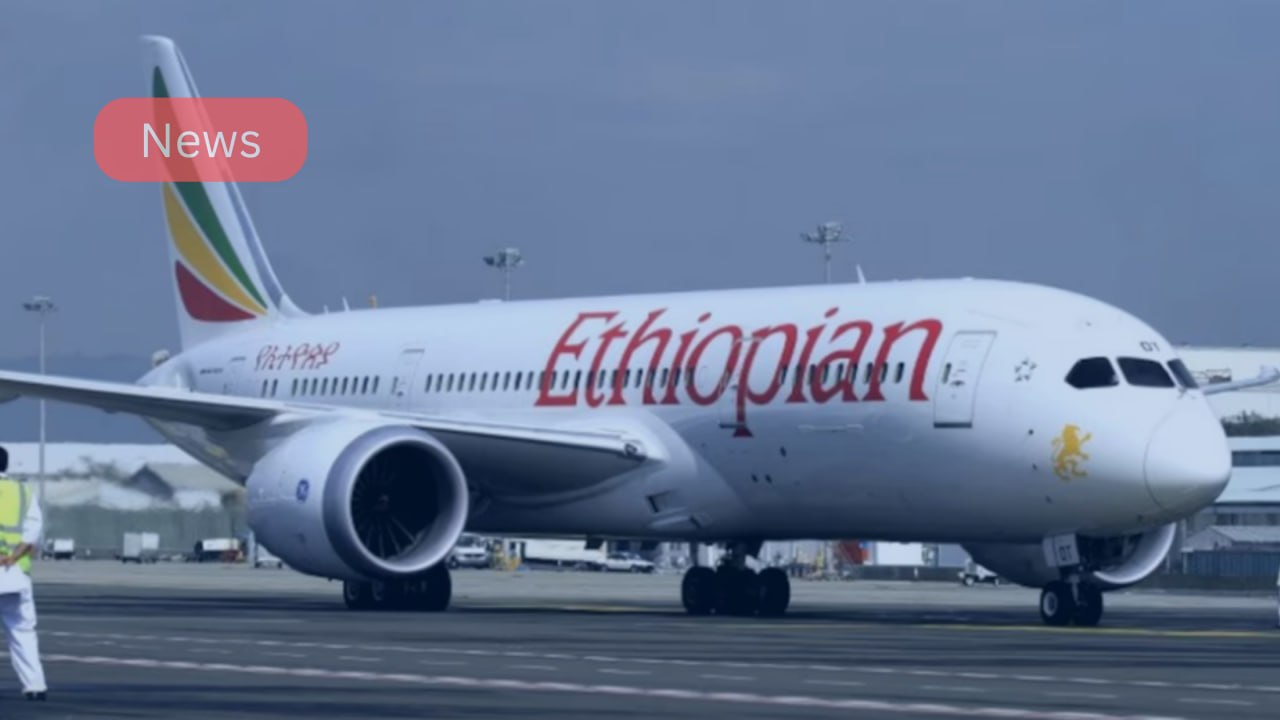

Ethiopian Airlines will launch a new direct passenger service between Addis Ababa and Port Louis, Mauritius, on July 12, 2026, expanding its network across the Indian Ocean and strengthening regional connectivity. According to journalist Michael Wakabi of The EastAfrican, the airline is also seeking to capitalize on changing travel patterns caused by ongoing disruptions in parts of the Middle East.
The new service will operate three times per week using a Boeing 737 MAX 8 aircraft. Ethiopian Airlines confirmed the route in an official announcement issued on June 2, 2026.
The route marks Ethiopian Airlines’ first direct service to Mauritius and adds another destination to the carrier’s growing African network.
Why the Ethiopian Airlines Mauritius Route Matters
Mauritius has traditionally relied on connections through major Gulf hubs such as:
- Emirates
- Qatar Airways
- Etihad Airways
for long-haul traffic from Europe and Asia.
Industry observers cited by The EastAfrican suggest that uncertainty surrounding Middle East travel has encouraged airlines to explore alternative routing options. Ethiopian Airlines is positioned to benefit because its Addis Ababa hub already connects major European and Indian markets.
The airline currently serves key Indian cities including:
- Mumbai
- Delhi
- Bengaluru
- Chennai
- Hyderabad
creating opportunities to channel passengers through Addis Ababa to Mauritius.
Route Details
Flight Schedule
- Launch Date: July 12, 2026
- Frequency: Three weekly flights
- Aircraft: Boeing 737 MAX 8
- Route: Addis Ababa–Port Louis–Addis Ababa
Official schedule released by Ethiopian Airlines:
- ET887: Addis Ababa → Port Louis
- ET886: Port Louis → Addis Ababa
Ethiopian Airlines Strategy and African Aviation Growth
The Ethiopian Airlines Mauritius route aligns with the carrier’s broader Vision 2035 growth strategy. The airline has repeatedly stated that expanding African connectivity remains a core objective.
As Africa’s largest airline network by destinations served, Ethiopian Airlines continues to strengthen Addis Ababa’s role as a continental aviation hub. The strategy supports:
- Tourism growth
- Trade links
- Business travel
- Intra-African connectivity
According to Ethiopian Airlines Group CEO Mesfin Tasew, the new route will make it easier for travelers from Africa and other regions to access Mauritius while creating new opportunities for commerce and tourism.
Middle East Air Travel Challenges
Recent geopolitical tensions have affected aviation throughout the region.
Aviation Week reported that Ethiopian Airlines experienced reduced Middle East passenger traffic following disruptions linked to regional conflict. The airline temporarily suspended some Gulf operations and continues to monitor demand levels.
Although Gulf carriers remain major players in Mauritius-bound travel, alternative routing options through Africa may become increasingly attractive if uncertainty persists.
Industry Outlook
The Ethiopian Airlines Mauritius route represents more than a new destination. It highlights how airlines are adapting network strategies in response to geopolitical developments and evolving passenger demand.
Key impacts to watch include:
- Growth in Europe–Mauritius traffic through Addis Ababa.
- Increased tourism flows to Mauritius.
- Expanded India–Mauritius connectivity.
- Greater competition among African and Gulf carriers.
If passenger demand meets expectations, the route could become an important component of Ethiopian Airlines’ broader strategy to strengthen its position as Africa’s leading aviation hub.
Sources







