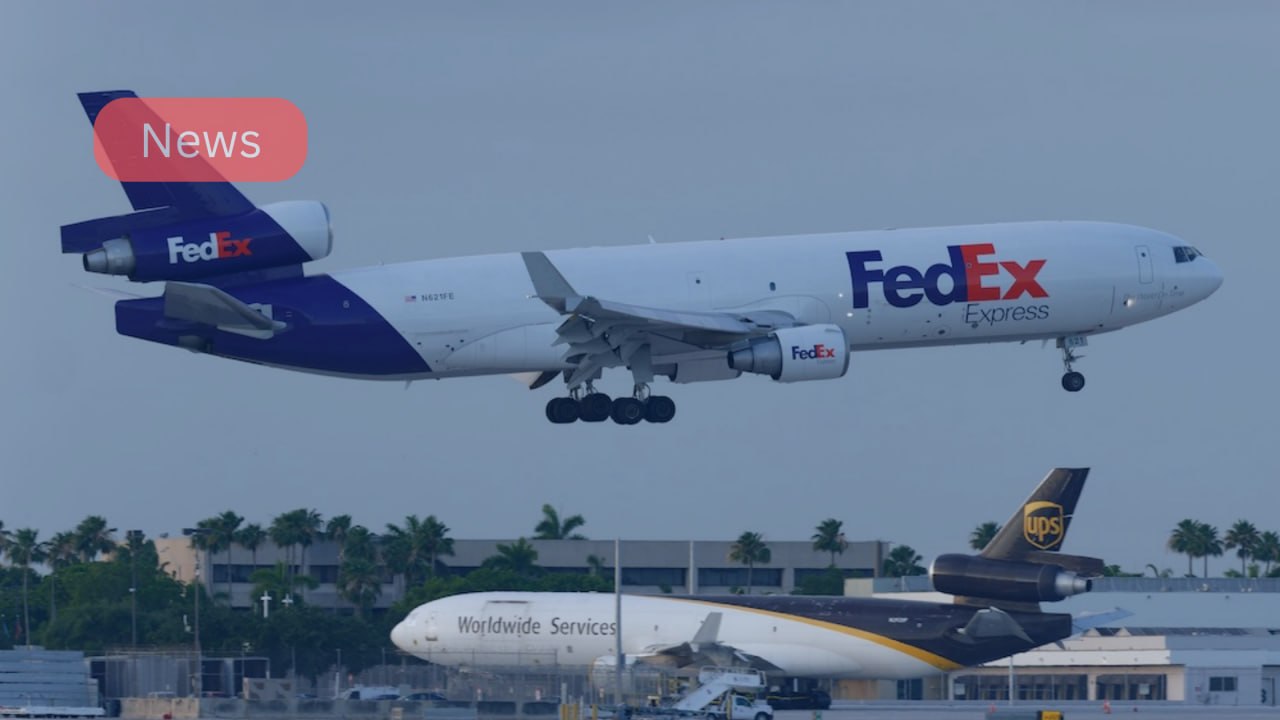

According to reporting by FlightGlobal and corroborated by Reuters journalist David Shepardson, the Federal Aviation Administration approved Boeing’s return-to-service protocol following extensive technical review.
The approval allowed FedEx to restart commercial MD-11 cargo flights in May 2026 after months of inspections, maintenance work, and operational testing.
The grounding began after a UPS-operated MD-11 crashed near Louisville, Kentucky, in November 2025, killing 15 people. Investigators later identified fatigue cracks in a critical engine pylon support structure.
FAA Aviation Safety Review Led to Fleet Return
The FAA said Boeing developed new maintenance and inspection procedures required before the aircraft could safely resume operations. The review reportedly included:
- Inspection of engine pylon structures
- Replacement of critical bearing components
- Enhanced monitoring procedures
- Additional maintenance intervals
Associated Press reporting stated the FAA approved Boeing’s proposed fix only after an “extensive review.”
FedEx confirmed that at least two MD-11 freighters completed all mandated inspection and maintenance requirements before returning to revenue service.
MD-11 Grounding Disrupted Global Cargo Capacity
The MD-11 remains an important aircraft in the long-haul cargo market despite its age. Before the grounding:
- FedEx operated approximately 28–29 MD-11 freighters.
- UPS operated more than two dozen MD-11 aircraft before accelerating retirement plans.
- Other cargo operators relied on the aircraft for international freight operations.
The six-month grounding forced cargo carriers to lease additional aircraft and adjust freight schedules during peak logistics periods. Reuters reported that FedEx estimated the grounding could cost up to $175 million.
Why the MD-11 Still Matters in the Global Air Cargo Market
The MD-11, originally produced by McDonnell Douglas before Boeing acquired the program in 1997, continues serving cargo airlines because of:
- High payload capacity
- Long-haul range
- Availability of converted freighter models
- Lower acquisition costs compared to newer widebody freighters
However, the aircraft’s aging structure has increasingly raised operational and safety concerns across the aviation industry.
Several analysts believe the latest grounding accelerated industry transition toward newer freighter aircraft such as:
- Boeing 777F
- Boeing 767F
- Airbus A350F
NTSB Investigation Continues
The National Transportation Safety Board continues investigating the Louisville crash.
Reuters reported investigators found fatigue cracks in the bearing race structure connecting the left engine pylon to the wing.
The investigation may still produce:
- Additional maintenance directives,
- Revised inspection intervals,
- Further FAA airworthiness requirements.
Industry experts note that the FAA’s approval does not represent the final conclusion of the accident investigation.
Industry Outlook
The FAA’s decision restores important cargo capacity to the international freight market at a time when global logistics demand remains elevated.
Short-term impacts may include:
- Improved cargo scheduling flexibility
- Reduced dependence on leased replacement aircraft
- Stabilization of freight network capacity
Long-term questions remain regarding:
- The future viability of aging MD-11 fleets,
- Potential additional regulatory oversight,
- Fleet modernization strategies among cargo operators.
While FedEx has resumed MD-11 operations, UPS has already accelerated retirement of its MD-11 fleet, signaling differing approaches to future cargo fleet planning.







