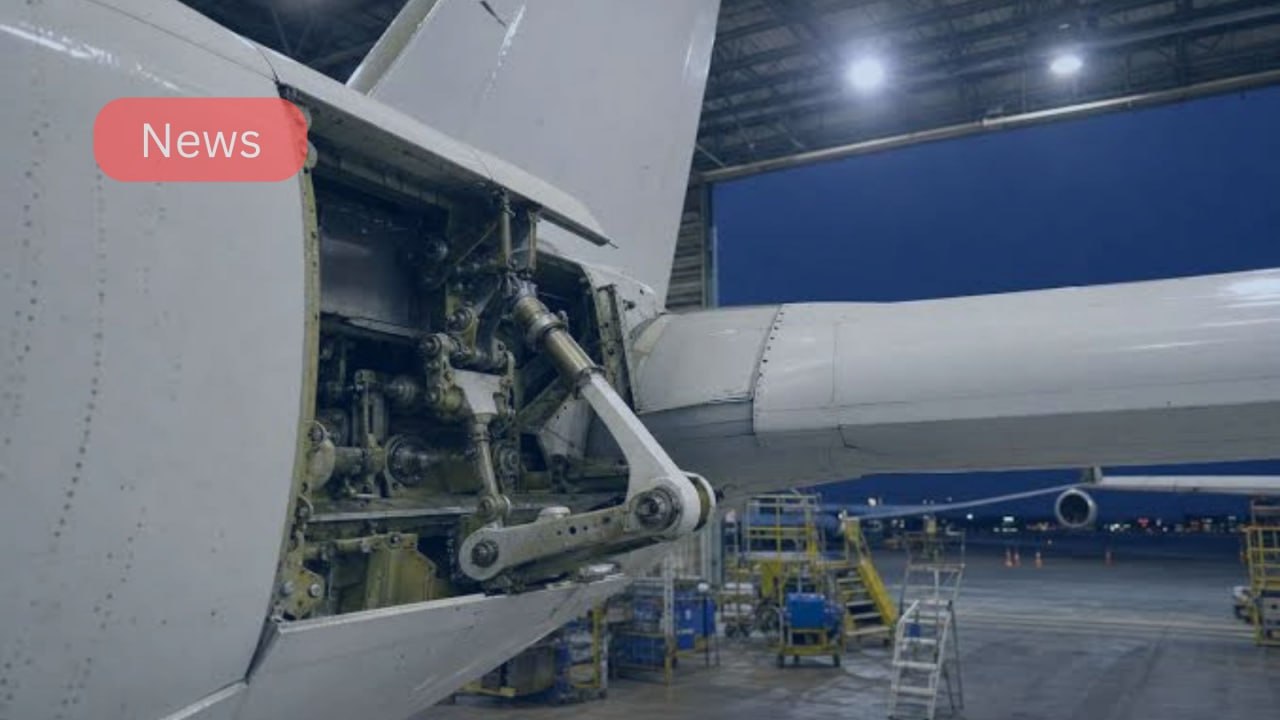

The U.S. Federal Aviation Administration (FAA) has proposed a new safety mandate targeting potential manufacturing defects in the flight control systems of certain narrowbody airframes. The Boeing 737 MAX elevator bearing issue surfaced after production reports revealed that critical elevator control bearings may have been installed incorrectly on assembly lines without required sealant.
According to coverage published by FlightGlobal, the federal regulator issued a Notice of Proposed Rulemaking (NPRM) under Docket FAA-2026-8811. The proposed rule mandates detailed physical inspections of the elevator buss assembly bearings and bearing housings across affected commercial fleets.
Regulatory Scope and the Boeing 737 MAX Elevator Bearing Issue
The federal proposal specifically applies to Boeing Model 737-8, 737-9, and 737-8200 aircraft. Federal inspectors identified that missing sealant or improper seating could trigger structural cracking within the bearing housing over repeated flight cycles. Left unchecked, severe degradation could compromise the elevator buss assembly crank arms, directly impacting elevator pitch control and airframe maneuvering.
“The unsafe condition, if not addressed, could impact elevator pitch control and affect continued safe flight and landing of the airplane,” the FAA stated in its official filing.
While the FAA confirms that no in-flight control incidents or accidents have occurred due to this specific assembly flaw, the agency mandates proactive intervention when production anomalies create potential systemic risks across active aircraft fleets.
Impact on Airlines and Fleet Maintenance Operations
For commercial air carriers operating short-to-medium haul routes, the proposed inspection schedule requires dedicated maintenance facility downtime.
Cost & Maintenance Breakdown per Aircraft (FAA Estimates):
• Detailed Inspection Time: 23 work-hours per plane
• Labor Cost Estimate: $1,955 per airframe
• Total U.S. Fleet Inspection Cost (95 jets): $185,725
• Individual Bearing Replacement: $1,105 – 1,809•FullBussAssemblyReplacement:~98,241 (parts cost)
Airline operators must integrate these physical checks into standard maintenance, repair, and overhaul (MRO) cycles to prevent unexpected operational delays.
Regulatory Timeline and Fleet Compliance
- December 2025: Boeing releases Alert Requirements Bulletin 737-27A1331 RB outlining recommended inspection steps.
- September 2026: FAA publishes formal NPRM in the Federal Register.
- November 5, 2026: Deadline for public and industry comments on the proposed rule.
- Post-Comment Period: The FAA evaluates industry feedback before finalizing the binding Airworthiness Directive (AD).
Industry Outlook & Technical Context
International safety frameworks governed by the International Civil Aviation Organization (ICAO) require state regulators to monitor design standards continuously. Foreign civil aviation authorities—including the European Union Aviation Safety Agency (EASA)—are expected to evaluate parallel mandates for international MAX operators.
Because Boeing previously issued service documentation to global fleets, many carriers have already begun checking line records. Financial exposure for component replacements may also fall under manufacturer warranty programs, softening the financial strain on regional airlines. Operators now await the final directive to lock in their long-term maintenance scheduling.







