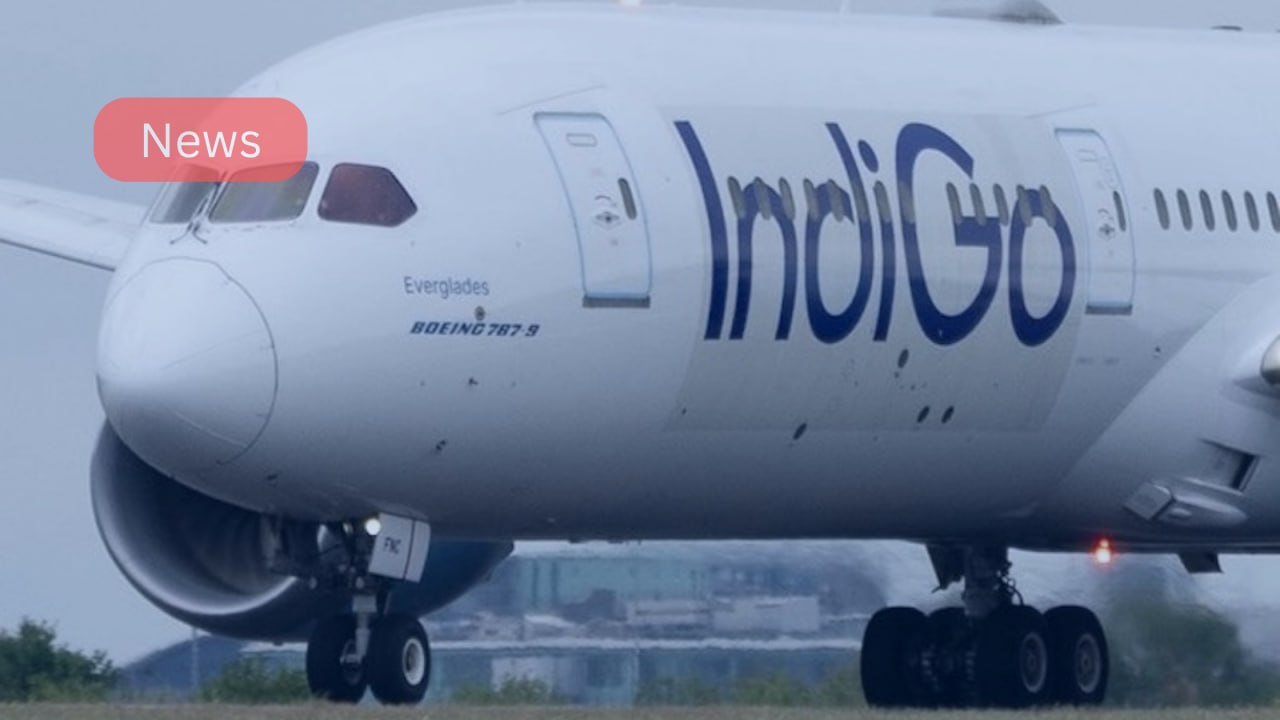

IndiGo and Norse Atlantic Airways have mutually agreed to terminate their entire six-aircraft Boeing 787-9 damp lease agreement. According to FlightGlobal and official airline statements released in late July 2026, the Indian low-cost carrier will phase out all long-haul widebody operations by October 31, 2026.
The strategic exit brings an early conclusion to IndiGo’s initial long-haul experiment slightly over a year after launching European routes. The primary catalyst stems from a rapidly shifting global operating environment marked by soaring jet fuel costs, foreign exchange volatility, and severe airspace access restrictions between Asia and Europe.
Strategic Recalibration Amid Rising Long-Haul Costs
IndiGo first entered the agreement with Norwegian carrier Norse Atlantic Airways in late 2024 to gain operational experience ahead of taking delivery of its own fleet of 30 Airbus A350-900 aircraft. Under the damp lease arrangement, Norse supplied the Boeing 787-9 aircraft, pilots, and maintenance, while IndiGo provided cabin crew, commercial distribution, and fuel funding.
However, compounding operational headwinds eroded the financial viability of the wet-leased Dreamliners. IndiGo incurred lease expenses in US Dollars and Euros while earning a significant portion of revenue in Indian Rupees, creating acute currency exposure. Combined with elevated global jet fuel prices, the damp lease overhead became unsustainable for India’s largest airline.
Airspace Constraints Redefine India–Europe Routes
Geopolitical friction across Eurasia severely disrupted route efficiency for carriers operating between India and Europe. Ongoing Pakistani airspace closures required Indian flights to take lengthy southern detours over the Arabian Sea. Simultaneously, instability in parts of the Middle East necessitated further flight path adjustments, adding considerable flight time and fuel burn to European sectors.
“The operating environment has changed considerably since the programme was announced, with significant escalation in costs,” IndiGo stated in an official announcement regarding the IndiGo Boeing 787 wet lease conclusion. “Airspace constraints, elevated fuel costs, and currency pressures have impacted route efficiency, schedule integrity, connectivity, and overall competitiveness.”
Impact on London Heathrow and European Network
The termination directly reshapes IndiGo’s international footprint:
- London Heathrow (LHR): All operations from Delhi and Mumbai to London Heathrow will be temporarily suspended starting October 25, 2026. Services will remain paused until IndiGo begins receiving its direct-owned Airbus A350-900 fleet.
- Manchester (MAN): Flights to Manchester are scheduled for complete phase-out by late August 2026, triggering the early return of one leased 787-9 aircraft.
- Amsterdam Schiphol (AMS): Mumbai–Amsterdam services will transition away from widebody Dreamliners to narrowbody, long-range Airbus A321XLR aircraft starting October 25, 2026.
What’s Next for Norse Atlantic and IndiGo?
For Norse Atlantic Airways, the return of five remaining Dreamliners forces a pivot back to its core operations and third-party charter market. The Norwegian carrier indicated it is active in discussions with other international airlines for ACMI (Aircraft, Crew, Maintenance, and Insurance) deployment, alongside expanding its own winter long-haul schedule to high-yield leisure destinations like New York and Orlando.
IndiGo maintains that its long-haul ambitions remain intact despite stepping back from widebody operations for the next 12 to 18 months. Abhijit Dasgupta, Senior Vice President of Planning and Revenue Management at IndiGo, highlighted that the project successfully delivered invaluable institutional learning for cabin crews and ground handlers.
As IndiGo awaiting delivery of its long-range Airbus A321XLRs and widebody A350s, Air India temporarily remains the sole Indian carrier operating long-haul twin-aisle passenger aircraft on intercontinental routes.







