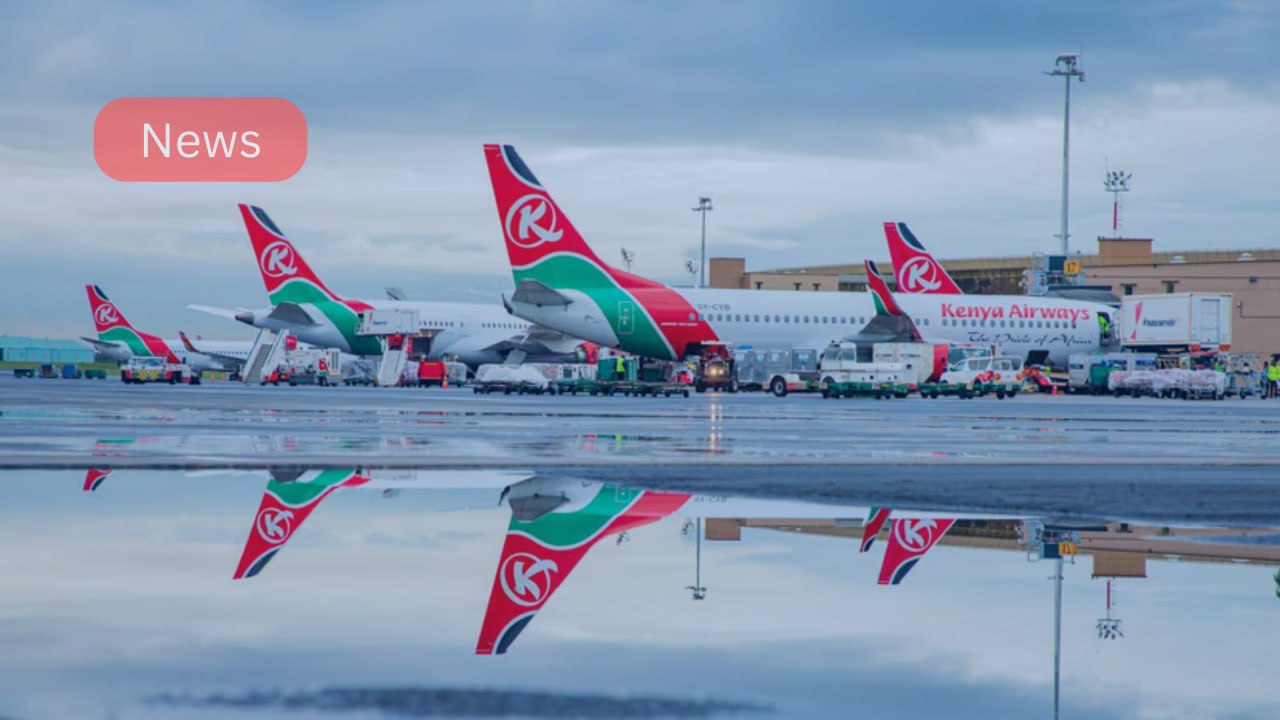

According to business news outlet The Kenyan Wall Street and official statements from Kenya’s National Treasury, the Kenya Airways revival strategy has entered a transformative phase. The Kenyan government is launching an international competitive tender to attract a strategic equity partner, aiming to mobilize between $1.2 billion and $2 billion. This capital injection is designed to stabilize the flag carrier, eliminate ongoing operational losses, and position Nairobi’s Jomo Kenyatta International Airport (NBO) as a dominant hub in regional and intercontinental travel.
Capital Injection and Debt Restructuring Core to Kenya Airways Revival Strategy
The centerpiece of the Kenya Airways revival strategy involves a comprehensive balance sheet cleanup led by National Treasury Cabinet Secretary John Mbadi. To make the national carrier attractive to foreign investors, the government is executing a KSh 563.1 billion (approximately $489 million) debt-to-equity conversion.”The focus of the international tender is on securing deep operational expertise as much as acquiring long-term private capital,” emphasized Cabinet Secretary John Mbadi during a briefing in Nairobi.
This financial restructuring follows years of state bailouts and partial nationalization attempts, marking a decisive shift toward market-driven governance. By clearing non-performing liabilities, the carrier aims to lower its borrowing costs and fund fleet modernizations critical to supporting long-term growth across the East Africa airline hub.
Navigating Supply Chain Bottlenecks and Geopolitical Shift
Despite positive strategic moves, operational hurdles persist across the global aviation ecosystem. Like many global carriers featured in Middle East aviation news, Kenya Airways has faced capacity bottlenecks due to supply chain disruptions and extended lead times for engine overhauls.
● Fleet Availability: Supply chain delays temporarily grounded key long-haul aircraft, including Boeing 787-8 Dreamliners, impacting first-half operating performance.
● Grounded Aircraft Restoration: Executive management targets full fleet restoration by early 2027 as global spare part deliveries normalize.
● Traffic Rerouting: Geopolitical friction in traditional Middle Eastern transit corridors has periodically shifted international passenger flows through East Africa, boosting short-term load factors on European connections.
Data from the African Airlines Association (AFRAA) underscores that while temporary passenger rerouting provides revenue spikes, long-term success requires robust fleet reliability and disciplined yield management.
Industry Outlook: Positioning Nairobi for Long-Term Growth
The ultimate success of the Kenya Airways revival strategy hinges on attracting an airline partner with established global distribution networks, maintenance capabilities, and capital resources. As commercial aviation restructuring gains momentum across Africa, Nairobi faces stiff competition from regional rivals like Ethiopian Airlines and expanding Gulf carriers.
By combining state-level Kenya Airways debt recapitalization with private enterprise efficiency, Kenya aims to safeguard its national carrier against ongoing fuel price volatility and currency fluctuations. If executed smoothly, this privatization push could provide a model for state-owned airline restructuring across emerging markets.







