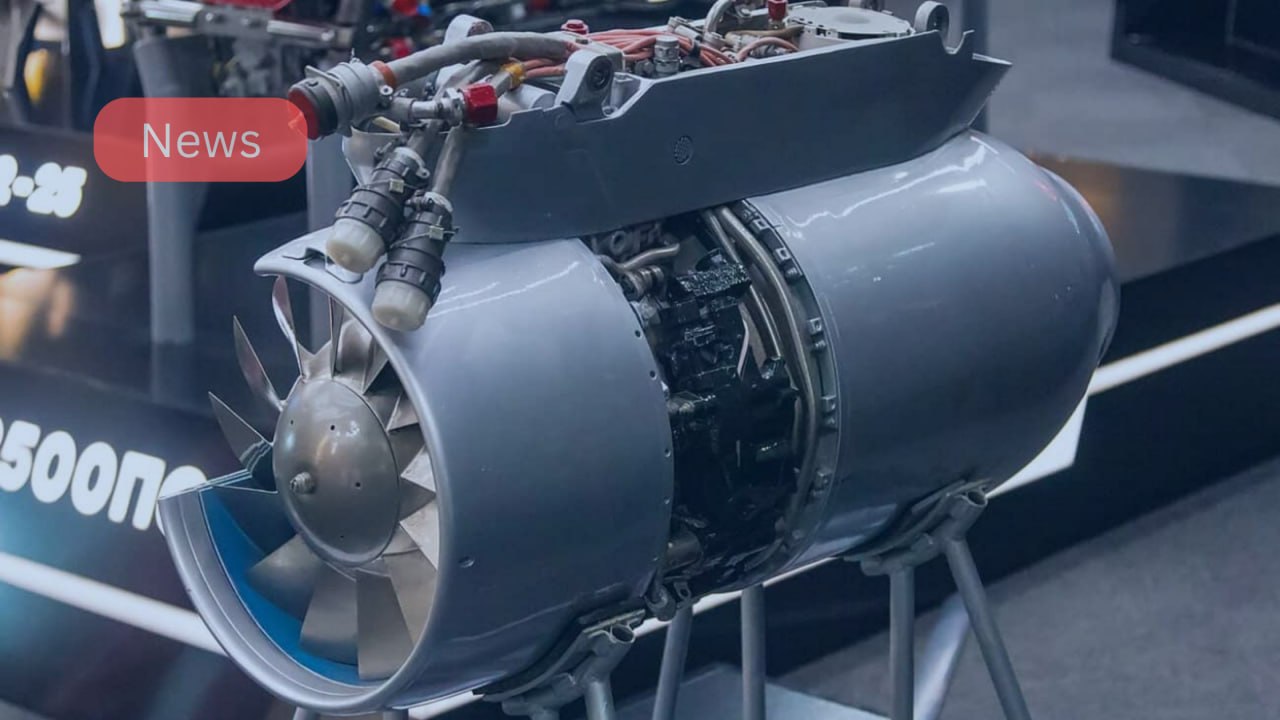

Russia’s Kh-101 engine upgrade has drawn attention after Ukrainian defense publication Militarnyi reported that recently recovered missile components indicate the possible use of single-crystal turbine blades in the missile’s engine. According to the publication’s technical analysis, the discovery was based on examination of engine fragments recovered from a Kh-101 reportedly manufactured in late 2025.
Although Russian authorities have not confirmed the modification, aerospace engineers note that single-crystal turbine technology represents one of the most advanced manufacturing methods used in modern gas-turbine engines.
What Was Discovered?
The reported finding comes from analysis of recovered engine debris conducted by defense analyst Igor Shkilny, known online as “Zampotekh Omelyanovich.” The examination suggests the missile engine may incorporate turbine blades manufactured using single-crystal metallurgy, a technology associated with high-performance aerospace engines.
If verified, the upgrade would represent another step in Russia’s continuing modernization of the Kh-101 cruise missile.
Why Single-Crystal Turbine Blades Matter
Single-crystal turbine blades eliminate grain boundaries within the metal, allowing engines to operate at higher temperatures while improving durability and fuel efficiency.
In commercial and military aviation, manufacturers such as General Electric and Rolls-Royce use similar technologies in advanced turbine engines because they:
- Increase thermal efficiency
- Improve engine reliability
- Extend component lifespan
- Support greater thrust or range
These engineering principles are widely accepted across the aerospace industry.
Background on the Kh-101
The Kh-101 is a long-range air-launched cruise missile deployed by Russia from strategic bombers. Throughout the conflict in Ukraine, analysts have documented several modifications involving navigation systems, electronic countermeasures and propulsion.
Ukraine’s Ministry of Defence states that Russia has introduced multiple modernization cycles aimed at improving the missile’s effectiveness against air defenses.
What Remains Unconfirmed?
While the recovered components provide meaningful evidence, several questions remain unanswered.
Key uncertainties include:
- Independent laboratory verification has not been published.
- Russia has not acknowledged the reported engine modification.
- Actual improvements in missile range or payload remain untested publicly.
- Production scale remains unknown.
As a result, experts currently describe the reported upgrade as a credible but unconfirmed technical assessment.
Aviation and Defense Industry Implications
If Russia has successfully incorporated single-crystal turbine technology into serial production, it could demonstrate continued progress in advanced aerospace manufacturing despite international export restrictions.
The development may also influence future assessments of Russian missile production capabilities and reinforce the importance of monitoring propulsion technologies alongside guidance and airframe improvements.
What’s Next?
Future confirmation will likely depend on additional forensic examinations of recovered missile components, independent technical analysis, and official intelligence assessments. Until then, the reported Kh-101 engine upgrade should be regarded as a plausible engineering development rather than a fully verified capability.







