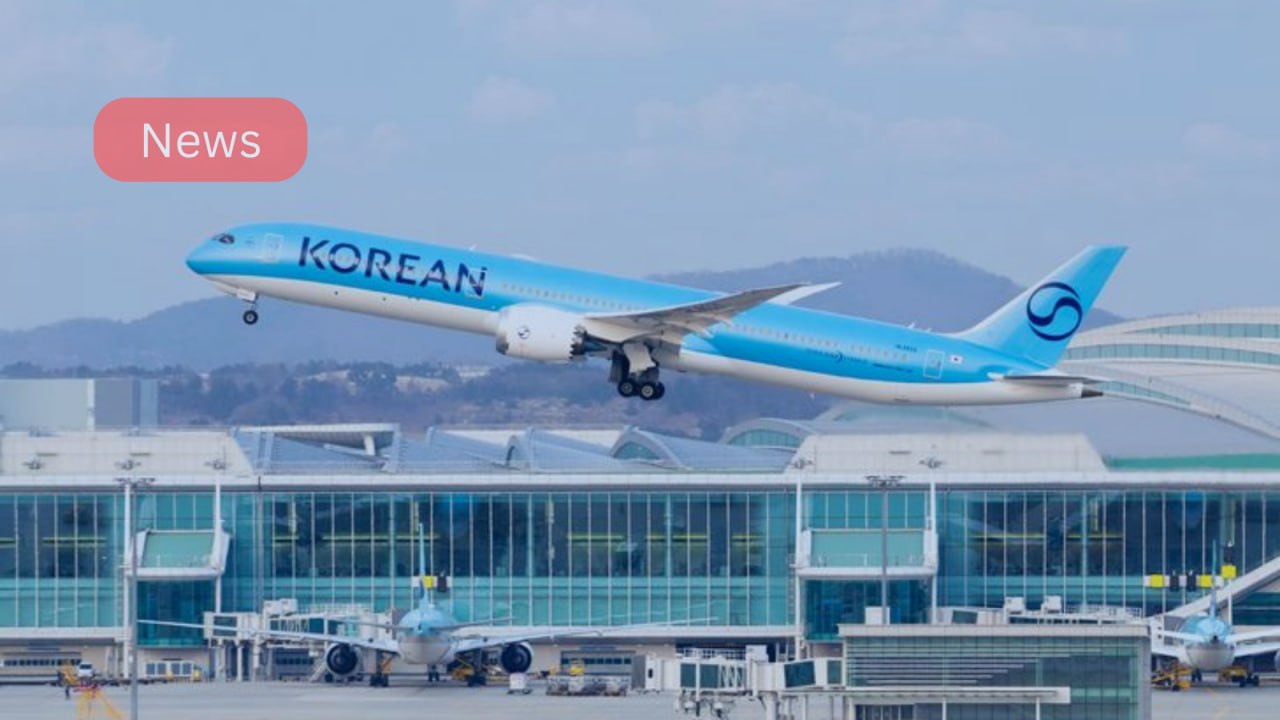

Korean Air and Asiana Airlines plan to officially launch an integrated airline on December 17, 2026, marking the end of one of Asia’s largest aviation consolidation efforts.
According to The Korea Times, both airlines approved the merger agreement on May 13, 2026. The integration follows nearly six years of regulatory reviews, restructuring efforts, and international competition approvals.
The merger will allow Korean Air to absorb all of Asiana Airlines’ assets, liabilities, employees, and operational responsibilities. Industry analysts expect the deal to significantly reshape the South Korean aviation sector and strengthen Incheon International Airport as a major Northeast Asian transit hub.
Korean Air Asiana merger closes a multi-year acquisition process
The consolidation process began in 2020 during the COVID-19 aviation crisis. At that time, South Korea’s government and creditor banks provided approximately KRW 3.6 trillion in liquidity support to stabilize Asiana Airlines.
Korean Air later acquired a controlling stake in Asiana as regulators reviewed the merger’s competition implications across several jurisdictions.
According to Reuters, the combined airline group could account for more than half of South Korea’s passenger aviation market capacity.
Competition regulators in several countries required remedies before approving the transaction. These included:
- transferring airport slots on overlapping international routes;
- maintaining consumer protections for mileage programs;
- supporting competing airlines on affected routes.
Impact on the South Korea aviation industry
The Korean Air Asiana merger represents one of the largest airline integrations in Asia since major global consolidations such as:
- Air France–KLM,
- American Airlines–US Airways,
- Lufthansa–Swiss.
Industry observers believe the integration could:
- improve network efficiency;
- increase long-haul connectivity;
- strengthen Seoul’s global transit competitiveness;
- expand maintenance and operational infrastructure.
However, some analysts and passengers have raised concerns regarding:
- reduced market competition,
- potential airfare increases,
- loyalty-program changes,
- reduced consumer choice.
Regulatory oversight and aviation policy implications
The merger required approvals from numerous global regulators due to the airlines’ international route networks.
According to CAPA, the airlines will submit final merger applications to South Korea’s Ministry of Land, Infrastructure and Transport (MOLIT).
The integration also has alliance implications:
- Asiana Airlines currently belongs to Star Alliance;
- Korean Air is a member of SkyTeam;
- Asiana’s Star Alliance participation will end after integration.
This transition may affect:
- mileage redemption systems,
- codeshare agreements,
- international partnership structures.
The Fair Trade Commission reportedly imposed conditions protecting customer mileage value during the integration process.
Fleet expansion and infrastructure modernization
Korean Air says it is investing heavily ahead of the integration launch.
Reported upgrades include:
- expanded aircraft maintenance facilities,
- upgraded operational control centers,
- larger crew training infrastructure,
- airport lounge renovations,
- enhanced onboard catering systems.
The airline also aims to standardize safety systems and aircraft operations under a unified Air Operator Certificate.
What’s Next for the Korean Air Asiana merger?
The final merger contract is expected to move through remaining regulatory procedures during 2026.
Key milestones include:
- operational certificate integration;
- fleet and route harmonization;
- loyalty-program integration;
- brand transition from Asiana to Korean Air.
If completed as planned, the integrated carrier will become one of Asia’s most influential airline groups and a major competitor in the global aviation market.
Still, regulators and passengers will closely monitor whether the merger improves efficiency without reducing consumer benefits in South Korea’s aviation sector.







