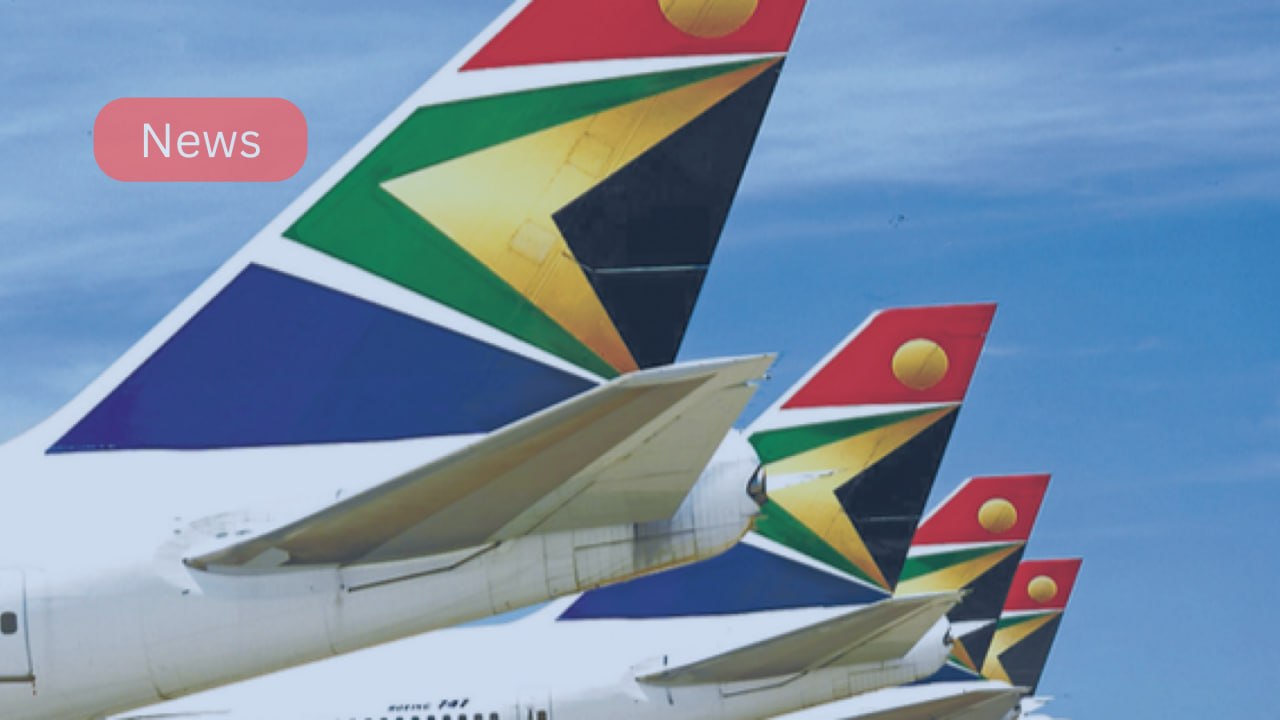

South African Airways (SAA) is intensifying its partnership strategy as the carrier seeks to expand its African and domestic reach without relying on government funding. According to aviation reporter Kiran Molloy in Travel News South Africa, the airline plans to deepen codeshare agreements, joint ventures, and regional airline cooperation while navigating rising fuel costs and financial scrutiny.
The report comes as SAA continues rebuilding after years of restructuring and operational downsizing. Speaking during the 14th Aviation Stakeholders Convention, Acting CEO Matshela Seshibe said partnerships would remain central to the airline’s long-term growth model.
Industry analysts say the approach reflects a broader aviation trend. Airlines worldwide increasingly rely on partnerships to expand route access while reducing fleet and operational risks.
SAA Partnership Strategy Focuses on African Connectivity
Domestic and Regional Expansion Plans
SAA currently operates more than 14 African routes and plans additional expansion across the continent. However, instead of rapidly adding aircraft, the airline is pursuing strategic airline collaborations.
Seshibe confirmed that SAA recently finalized a partnership with regional South African carrier CemAir. The agreement allows SAA to connect passengers to smaller airports that are difficult to serve using the airline’s current fleet mix.
The airline also plans to strengthen:
- Star Alliance cooperation
- Codeshare agreements
- Regional feeder partnerships
- Joint commercial operations
These partnerships help airlines increase network reach without directly operating every route.
Fuel Costs and Financial Pressure Challenge Recovery
Rising Aviation Fuel Costs Impact Operations
SAA acknowledged that global geopolitical instability continues to drive aviation fuel prices higher. According to the airline, refining costs in South Africa have intensified the pressure.
The airline said it passed approximately 50% to 60% of additional fuel expenses onto passengers while reducing flight frequencies on selected domestic and regional routes.
Affected routes reportedly included:
- Cape Town
- Durban
- Gqeberha
- Gaborone
The cost pressure reflects a broader global aviation challenge. According to the International Air Transport Association (IATA), fuel remains one of the airline industry’s largest operating expenses, particularly for carriers rebuilding after pandemic-era losses.
Financial Sustainability Remains Under Scrutiny
The expansion strategy arrives shortly after South Africa’s Auditor-General issued a disclaimer audit opinion on SAA’s 2024/25 financial results.
The audit reportedly identified:
- unreliable financial statements
- revenue leakage concerns
- material uncertainty
- dependence on one-off financial gains
Despite the findings, SAA leadership insists the airline remains committed to long-term commercial sustainability.
Seshibe stated that future growth would depend on:
- strategic partnerships
- operational discipline
- commercial expansion
- fleet optimization
The airline also emphasized that its recovery plans are not dependent on direct government bailouts.
African Aviation Partnerships Becoming More Common
Codeshare Agreements Support Network Growth
SAA’s strategy mirrors a growing trend across African aviation markets. Airlines increasingly use codeshares and alliances to improve connectivity while controlling operational costs.
Recent agreements involving SAA include:
- CemAir domestic cooperation
- Expanded Emirates codeshare operations
- Turkish Airlines partnership discussions
- TAAG Angola cooperation
Independent reporting from Aviation Week confirmed that SAA plans additional partnerships with carriers including Air Botswana, Air Zimbabwe, and United Airlines.
Industry observers say these partnerships can:
- improve passenger connectivity
- increase aircraft utilization
- strengthen regional hubs
- reduce expansion risks
ICAO and African Aviation Development Context
The partnership strategy also aligns with broader African aviation integration goals supported by the African Union and ICAO frameworks.
Programs such as:
- the Single African Air Transport Market (SAATM)
- African Continental Free Trade Area (AfCFTA)
aim to improve intra-African air connectivity and reduce operational barriers between states.
Many African airlines continue facing:
- limited fleet availability
- aircraft leasing shortages
- currency volatility
- infrastructure constraints
Partnership-based expansion allows airlines to grow networks without immediately committing to costly fleet acquisitions.
What’s Next for SAA?
SAA’s immediate challenge remains balancing growth ambitions with financial discipline.
The airline continues exploring:
- new African destinations
- additional codeshare agreements
- fleet leasing opportunities
- long-haul network recovery
However, analysts note that future expansion will depend heavily on:
- access to aircraft
- sustainable profitability
- fuel-price stability
- regulatory approvals
If successful, SAA’s partnership-led strategy could strengthen Johannesburg’s position as a major African aviation hub while allowing the airline to rebuild cautiously after years of restructuring.







