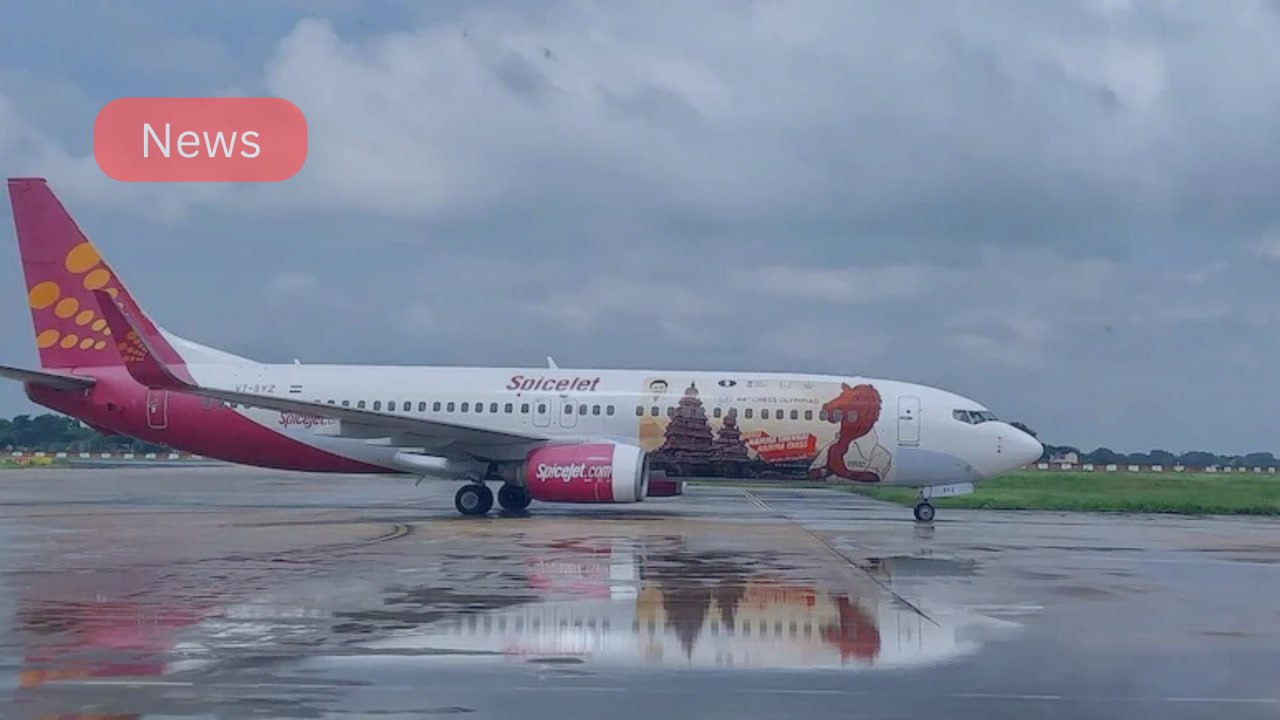

Irish aircraft lessors have asked India’s Directorate General of Civil Aviation (DGCA) to deregister four Boeing 737-8 MAX aircraft leased to SpiceJet, marking another chapter in the airline’s prolonged financial restructuring. According to a Press Trust of India (PTI) report published by NDTV Profit, the affected aircraft have remained grounded for an extended period because of engine manufacturing issues.
The request involves four Boeing 737 MAX aircraft covered under the Irrevocable Deregistration and Export Request Authorisation (IDERA) framework, which allows aircraft owners to seek repossession through national aviation authorities when lease agreements permit such action. Reuters independently confirmed the regulatory filings with India’s DGCA.
DGCA aircraft deregistration process
According to public DGCA notices, Ireland-based leasing companies requested deregistration of aircraft registered as:
- VT-MXA
- VT-MXB
- VT-MXC
- VT-MAX
SpiceJet stated that these aircraft have remained out of service because of High Pressure Turbine (HPT) manufacturing issues affecting their engines.
The airline added that removing the aircraft from the Indian register would eliminate lease payments on assets that have not been generating revenue while having no impact on current flight operations because the aircraft have already been inactive for a considerable period.
Why the aircraft leasing industry is watching
The case is significant beyond SpiceJet itself.
Aircraft leasing has become the dominant financing model for commercial airlines worldwide, with lessors depending on legal mechanisms such as IDERA to recover aircraft when lease obligations are not met.
Reuters reported that the Irish lessors involved are owned by ICBC Financial Leasing, making the case one of the first significant tests of India’s strengthened aircraft repossession framework introduced to improve confidence among international lessors.
SpiceJet’s ongoing fleet challenges
SpiceJet has spent several years rebuilding operations after financial difficulties, legal disputes with lessors and engine availability problems reduced its operational fleet.
Industry reports indicate that only a limited number of the airline’s aircraft are currently in active service while numerous aircraft remain parked pending maintenance, financing or engine availability. Previous Reuters reporting has documented how lease disputes and grounded Boeing 737 MAX aircraft have constrained the carrier’s recovery efforts.
Industry impact
The deregistration requests could influence several areas:
- Reduced lease expenses for non-operational aircraft
- Continued restructuring of SpiceJet’s fleet
- Greater confidence among international aircraft lessors
- Increased attention on India’s aircraft repossession framework
Regulatory background
The IDERA system originates from the Cape Town Convention, an international treaty designed to protect the interests of aircraft financiers and lessors by simplifying aircraft repossession across participating jurisdictions.
India has taken steps to strengthen implementation of these protections, an important development for airlines that rely heavily on leased aircraft to finance fleet growth.
What’s Next?
The DGCA will review the deregistration requests before completing the regulatory process.
Meanwhile, SpiceJet says discussions continue with both the lessors and the original equipment manufacturer regarding future aircraft availability. The outcome will be closely watched by airlines, aircraft leasing companies and financial institutions as India’s aviation market continues expanding while balancing stronger protections for aircraft owners.







