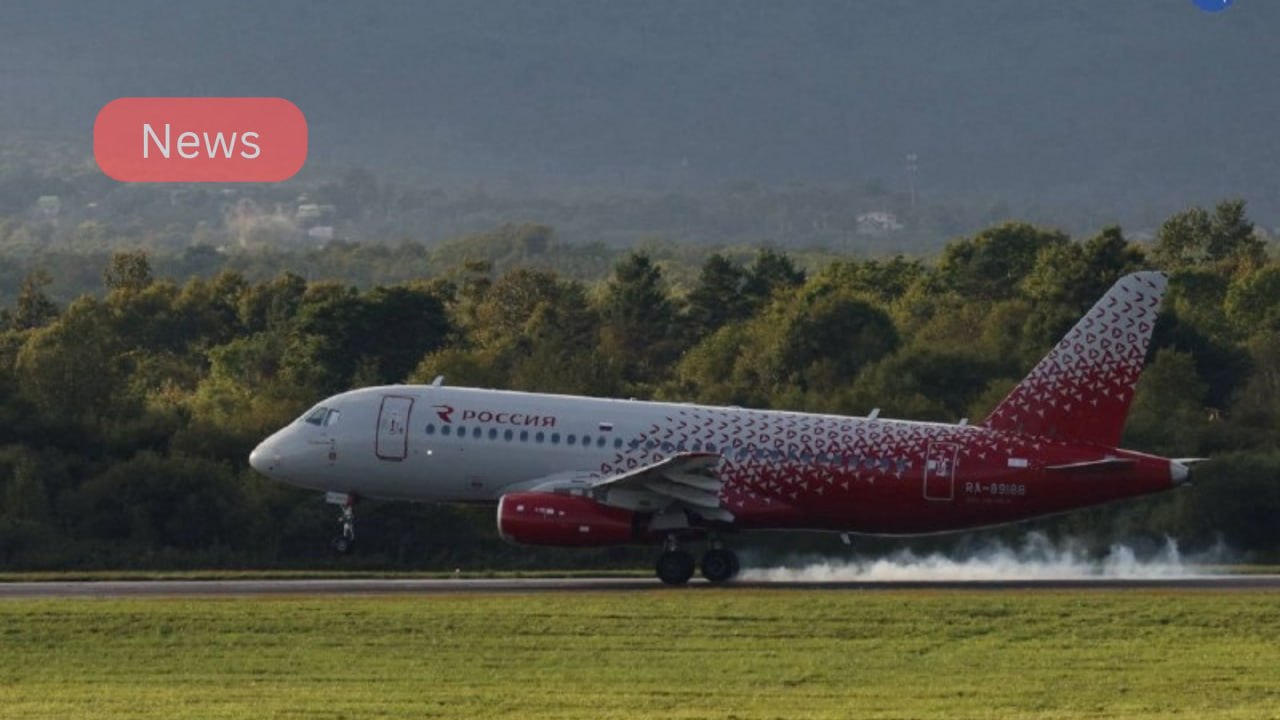

Russia’s domestic commercial aviation sector has received a critical regulatory adjustment as the country looks to maintain its regional fleet connectivity. On October 12, Russia’s Federal Air Transport Agency (Rosaviatsia) officially approved a major design change extending the permitted service life of the Sukhoi Superjet 100 (SSJ-100) fleet. According to aerospace reporting from platforms like FlightGlobal and Aviacionline, the regulatory update raises the aircraft’s operational lifespan from 15 to 20 years.
The structural and operational limits for the SSJ-100 variants equipped with SaM146 engines—specifically the RRJ-95B-100 and RRJ-95LR-100 models—have undergone significant upward revisions. Rosaviatsia raised the flight cycle limits from 15,000 to 20,000 flights and expanded maximum flight hours from 25,000 to 40,000 hours. Industry analysts note that while these figures remain within baseline design parameters backed by fatigue testing, the timing is fundamentally driven by the operational realities of ongoing international sanctions.
Regulatory Adjustments and Fleet Pressures in Middle East and Global Aviation News
Since sweeping Western sanctions were implemented in 2022, Russian airlines operating the Superjet 100 have been cut off from direct support provided by French engine manufacturer Safran, whose turbofans power the existing fleet. With the all-Russian replacement aircraft and the domestically produced PD-8 engine still navigating certification pipelines, regional airlines face mounting pressure to keep existing airframes flying.
- Previous Limits: 15 years, 15,000 flights, and 25,000 flight hours.
- New Approved Limits: 20 years, 20,000 flights, and 40,000 flight hours.
- Impacted Variants: RRJ-95B-100 and RRJ-95LR-100 equipped with SaM146 engines.
Extending the service life of approximately 150 active airframes effectively buys crucial breathing room for domestic carriers. Aviation experts emphasize that stretching airframe life cycles is a common engineering practice supported by rigorous maintenance checks, yet it places increased emphasis on rigorous structural monitoring as aircraft age without original equipment manufacturer (OEM) part pipelines.
Industry Outlook
As Russian civil aviation authorities prioritize fleet sustainment over premature retirement, the long-term viability of the SSJ-100 program depends on accelerating domestic component substitution. While the newly approved 20-year service ceiling alleviates immediate capacity bottlenecks for regional routes, regulatory agencies and operators will need to balance extended maintenance intervals with rigorous safety oversight until fully localized propulsion systems enter mass service.







