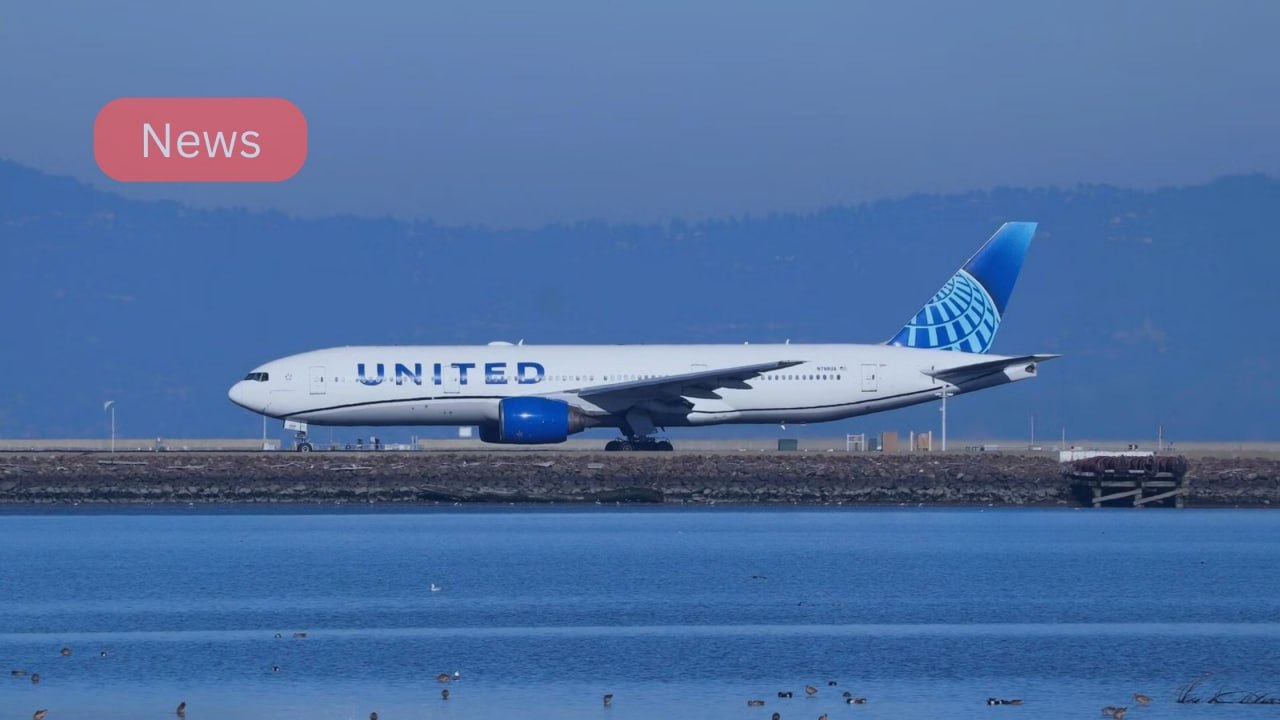

SAN FRANCISCO — A United Airlines Boeing 777-200ER operating a scheduled transpacific service was forced to make an unscheduled return to San Francisco International Airport (SFO) after experiencing an engine malfunction during its initial climb. According to aviation reporting by Simple Flying, the widebody aircraft safely touched down approximately 90 minutes after departure, with no injuries reported among the passengers and crew on board.
The flight, designated as United Airlines Flight UA888 bound for Beijing Capital International Airport (PEK), departed SFO before the flight crew encountered severe vibrations and loud noises originating from the right-hand power plant. Exercising standard safety protocols, the pilots shut down the affected engine and initiated a prompt return to their departure hub.
Industry analysts note that incidents involving single-engine returns highlight the robust redundancy built into modern commercial transport aircraft. However, the event also refocuses attention on the operational reliability and maintenance lifecycles of first-generation widebody airframes as major network carriers evaluate long-term fleet renewal strategies.
United Airlines Engine Trouble and Fleet Context
The aircraft involved in the October 6 incident was a nearly 29-year-old Boeing 777-200ER equipped with Pratt & Whitney PW4090 engines, according to operational databases cited by Simple Flying. While the flight landed safely on SFO’s Runway 28R, the event underscores the scrutiny faced by older power plant variants in commercial service.
Commercial aviation safety is governed by strict regulatory frameworks set by the International Civil Aviation Organization (ICAO) and the Federal Aviation Administration (FAA). When an in-flight shutdown (IFSD) occurs, operators and regulatory authorities initiate standard data-gathering procedures to determine whether the event stems from routine component wear, environmental factors, or a broader technical trend.
- Flight Route: San Francisco (SFO) to Beijing (PEK)
- Aircraft Type: Boeing 777-200ER (Registration: N796UA)
- Engine Model: Pratt & Whitney PW4090
- Resolution: Safe return to SFO approximately 90 minutes after takeoff
Regulatory Standards and Commercial Impact
Aviation safety protocols require flight crews to undergo rigorous training for single-engine operational scenarios. Modern twin-engine aircraft, including the Boeing 777 family, are certified under Extended-range Twin-engine Operational Performance Standards (ETOPS), ensuring they can maintain safe flight and climb performance with one engine deactivated.
Major network carriers manage vast fleets containing aircraft spanning multiple generations. Industry experts point out that managing legacy widebodies requires intensive inspection regimes, recurring borescope evaluations, and proactive maintenance scheduling to mitigate component fatigue.
“The ability of a flight crew to diagnose an issue, execute checklist procedures, and return safely demonstrates the effectiveness of multi-layered safety margins in commercial aviation.” — Aviation Safety Analyst
Industry Outlook
As airlines balance fleet modernization with capital expenditures, incidents involving legacy airframes prompt strategic reviews of retirement timelines. United Airlines, like other major legacy carriers, continues to monitor engine performance metrics closely while integrating newer, highly efficient widebody aircraft into its long-haul network. Future updates from safety investigators will determine the exact mechanical trigger behind the SFO return, offering valuable data for global operators of Pratt & Whitney-powered Boeing 777s.







