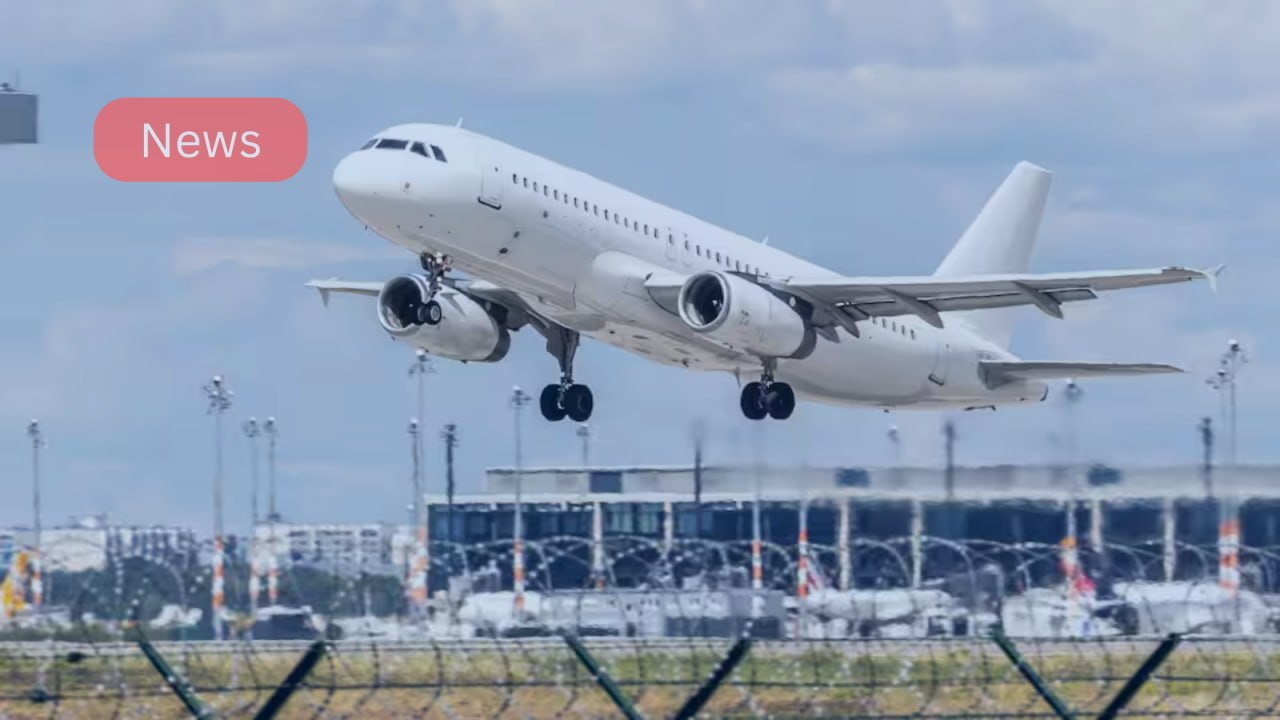

Australia’s domestic aviation market could soon face a new competitor as former Qantas executive Peter Kelly pushes plans for the proposed Zinc budget airline. According to SBS News, the ultra-low-cost carrier would initially connect Sydney, Melbourne, and Brisbane before expanding to Adelaide and the Gold Coast.
The report, published by SBS and sourced partly from AAP reporting, said Zinc would follow a business model inspired by Ryanair, Europe’s largest ultra-low-cost airline. Kelly believes the new carrier could capitalize on additional airport capacity at Western Sydney International Airport.
Industry experts say increased competition may reduce domestic ticket prices, but they also warn the airline faces substantial economic and operational risks.
Zinc Budget Airline Plans Focus on Australia’s “Golden Triangle”
The proposed Zinc budget airline intends to operate Australia’s busiest domestic routes:
- Sydney
- Melbourne
- Brisbane
These routes are commonly called the “Golden Triangle” because they generate a large share of Australian domestic passenger traffic.
According to multiple aviation reports, Zinc plans to use Airbus A321neo aircraft to maximize fuel efficiency and lower operating costs.
Peter Kelly previously worked with:
- Qantas
- Jetstar
- former carrier Ansett Australia
His experience in low-cost airline operations gives the proposal industry credibility, although the carrier has not yet secured all financing or regulatory approvals.
Western Sydney Airport Could Change Domestic Competition
A key part of Zinc’s strategy involves the upcoming Western Sydney International Airport.
Australia’s current aviation market faces congestion constraints at Sydney Kingsford Smith Airport due to limited landing slots. Kelly argues the new airport could create opportunities for new entrants.
The airline reportedly aims to raise approximately AUD200 million before launch. Aviation outlet ch-aviation reported that Zinc could begin operations around 17 months after securing funding.
The proposed business model follows the ultra-low-cost carrier structure used by Ryanair:
- lower base fares
- extra charges for baggage and seat selection
- high aircraft utilization
- simplified fleet operations
Australian Aviation Market Faces Economic Pressure
Despite optimism around increased competition, aviation analysts caution that the timing remains difficult.
Professor Rico Merkert told SBS that new competition could reduce fares across the market. However, he also warned established airlines would strongly defend profitable routes.
The warning comes during a challenging period for global aviation:
- rising jet fuel prices
- inflationary pressure
- aircraft supply chain delays
- financial instability among low-cost carriers
Recent industry developments reinforce those concerns:
- Regional Australian carrier Rex Airlines collapsed after expanding major-city operations.
- U.S. budget airline Spirit Airlines also failed amid mounting financial pressure.
Meanwhile, Australia’s domestic airline market remains heavily dominated by Qantas Group and Virgin Australia.
ICAO and IATA Context on Airline Competition
The Zinc proposal aligns with broader industry discussions around market accessibility and consumer competition.
Both the International Air Transport Association and International Civil Aviation Organization have emphasized:
- efficient airport slot allocation
- sustainable competition
- fuel efficiency improvements
- network accessibility
The Airbus A321neo selected for Zinc’s proposed fleet is considered one of the more fuel-efficient narrowbody aircraft currently available, helping airlines reduce operating costs and emissions per seat.
However, Australia’s geography presents challenges that differ from Europe’s short-haul market:
- longer average route distances
- smaller population density
- high airport infrastructure costs
- limited secondary airport alternatives
These factors may complicate attempts to replicate Ryanair’s aggressive cost structure.
Industry Outlook for Low-Cost Carrier Australia Expansion
Analysts say the success of the Zinc budget airline will depend on several factors:
- securing long-term financing
- obtaining regulatory approvals
- fuel price stability
- airport access
- sustained passenger demand
The opening of Western Sydney International Airport could reshape domestic aviation competition if new entrants gain access to lower-cost infrastructure and additional flight capacity.
Still, Australia’s aviation history shows the difficulty of sustaining independent low-cost carriers in a market dominated by established airlines with extensive networks and loyalty programs.
What’s Next
Peter Kelly and Zinc Airlines must still:
- secure investor funding
- finalize aircraft agreements
- obtain an Air Operator’s Certificate (AOC)
- build operational infrastructure
If successful, Zinc could become Australia’s first independent ultra-low-cost airline operating at scale. If unsuccessful, it may join a long list of failed challengers in Australia’s difficult aviation market.
For now, the project remains one of the most closely watched developments in Australian aviation competition during 2026.







