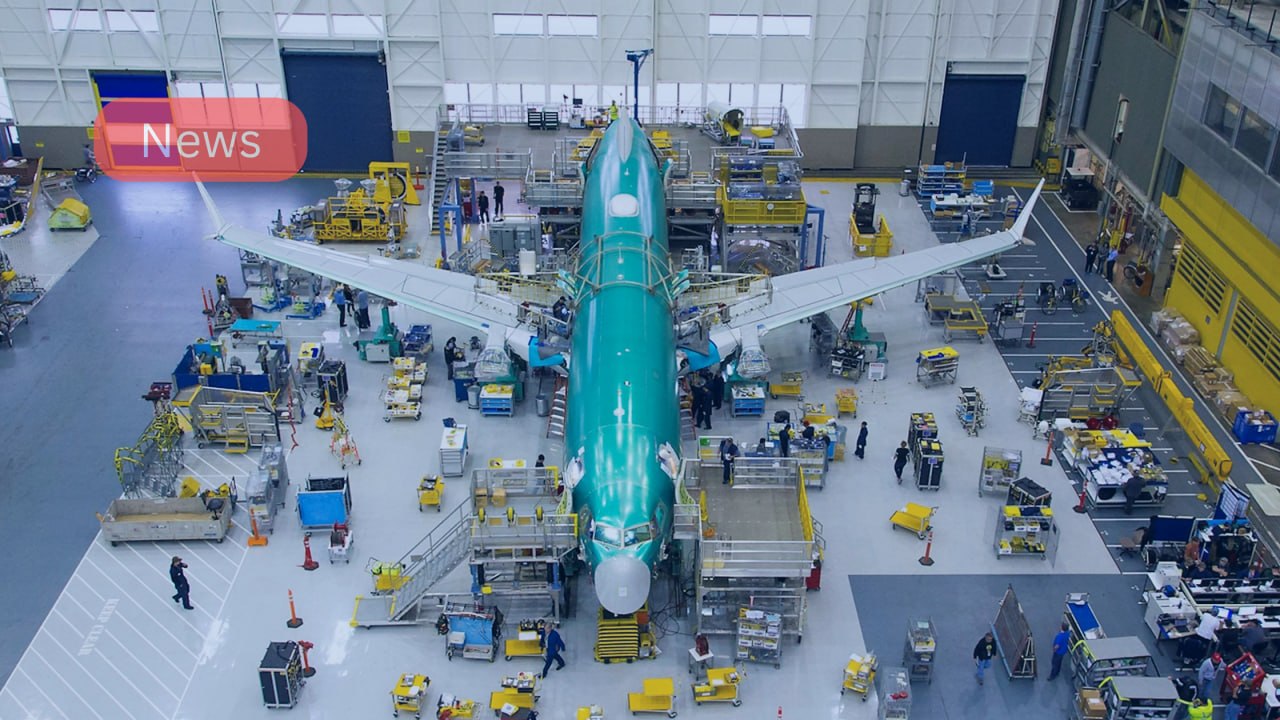

Boeing is preparing early-stage plans for a new narrowbody aircraft larger than the current 737 MAX 10, according to reporting published by Aviation A2Z and attributed to Bloomberg.
The proposed aircraft would target the upper end of the single-aisle market currently dominated by the Airbus A321neo family. Boeing reportedly aims to launch the program around 2030 as it seeks to recover market share lost during years of production delays, safety scrutiny, and certification setbacks involving the 737 MAX program.
Boeing Narrowbody Strategy Expands Beyond the 737 MAX 10
Industry analysts believe Boeing’s future aircraft would fill a strategic gap between the current 737 MAX family and the retired Boeing 757.
The new aircraft could carry:
- 200 to 250 passengers
- Longer-range narrowbody operations
- Improved fuel efficiency
- Enhanced cockpit systems
Reuters and Barron’s reporting indicate Boeing continues evaluating next-generation aircraft technologies while prioritizing certification of the 737 MAX 7, MAX 10, and 777X.
Why Boeing Needs a New Single-Aisle Aircraft
The global commercial aviation market increasingly favors larger narrowbody aircraft because airlines want:
- Lower operating costs
- Fuel efficiency
- Flexible route deployment
- Higher seat capacity
The Airbus A321neo has become especially successful in long-range narrowbody operations.
According to industry estimates cited in multiple reports, Airbus currently leads Boeing in the narrowbody market segment.
Boeing’s current largest narrowbody, the 737 MAX 10, still awaits FAA certification.
FAA Certification Delays Continue to Impact Boeing
The Federal Aviation Administration continues intensive oversight of Boeing following the 737 MAX safety crisis.
Recent Reuters reporting confirmed:
- The MAX 10 advanced to expanded FAA testing phases
- Certification challenges remain unresolved
- Engine anti-icing concerns continue affecting timelines
The delays have created pressure on Boeing as airlines increasingly adopt Airbus A321neo and A321XLR aircraft.
Boeing Appears to Favor Conservative Aircraft Design
The Aviation A2Z report states Boeing currently prefers a conventional “tube-and-wing” aircraft design rather than radical open-rotor or strut-braced concepts.
Potential design features may include:
- Advanced composite wings
- Foldable wing tips
- More efficient turbofan engines
- Redesigned pilot-friendly cockpit systems
Industry executives have expressed caution about open-rotor propulsion systems because of certification complexity and operational concerns.
China Could Play a Key Role in Boeing’s Recovery
The report also discussed a possible major aircraft order from Chinese airlines.
However, no official confirmation currently exists regarding a 500-aircraft deal. Boeing and Chinese authorities have not formally announced such an agreement.
China remains one of the world’s largest aviation markets. Any future Boeing order from Chinese carriers would significantly influence the global aircraft manufacturing sector.
Industry Outlook
Boeing’s future narrowbody strategy may determine whether the company can fully compete with Airbus during the next decade.
The company still faces major challenges:
- FAA regulatory scrutiny
- Production recovery
- Supply chain constraints
- Certification delays
- Financial pressure
At the same time, global airline demand for fuel-efficient narrowbody aircraft continues rising.
Industry observers expect Boeing to remain cautious before formally launching a multi-billion-dollar aircraft development program.







