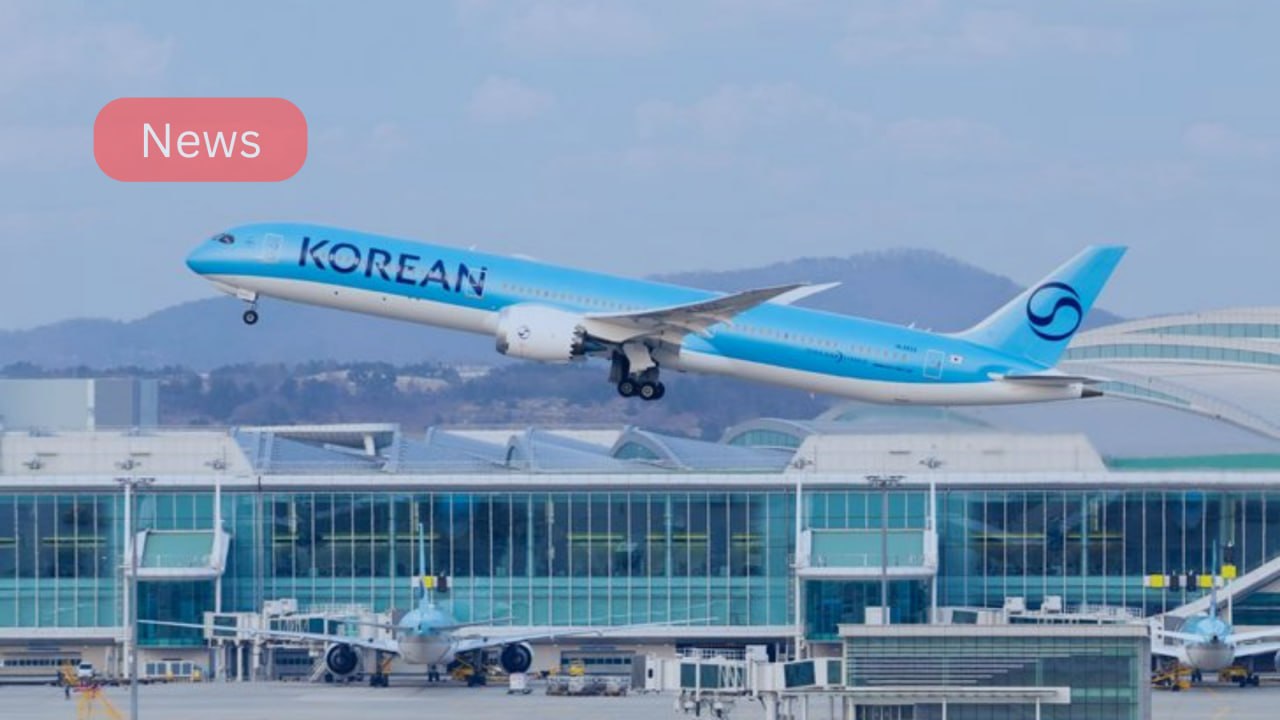

Korean Air Asiana Merger Scheduled for December 2026
The Korean Air Asiana merger will officially culminate on December 17, 2026, creating a unified South Korean flag carrier after nearly six years of negotiations, regulatory reviews, and operational restructuring.
According to The Korea Times report on Korean Air’s integrated airline launch, the boards of Korean Air and Asiana Airlines approved the merger agreement in May 2026, with Korean Air absorbing all of Asiana’s assets, liabilities, personnel, and operational rights.
The merger marks one of the largest airline consolidations in Asia since the COVID-19 pandemic reshaped the global aviation industry.
Industry analysts say the deal could significantly strengthen South Korea’s position in long-haul international aviation while also reshaping competition across Northeast Asia.
Why the Korean Air Asiana Merger Matters
The merger began in 2020 when Korean Air announced plans to acquire financially troubled Asiana Airlines during the pandemic-driven aviation crisis.
South Korea’s government and state-backed creditors provided approximately KRW 3.6 trillion in liquidity support to stabilize Asiana Airlines.
The integrated airline is expected to:
- Expand route efficiency
- Strengthen international connectivity
- Consolidate overlapping operations
- Increase competitiveness against regional rivals
The merger also positions Incheon International Airport as a larger global transit hub connecting Asia, North America, and Europe.
According to CAPA aviation analysis, the combined airline could become one of Asia’s largest carriers by international passenger capacity.
Regulatory and Alliance Implications
Antitrust Oversight
The merger faced years of regulatory review from multiple jurisdictions due to competition concerns.
Authorities required Korean Air to:
- Divest certain routes
- Reduce slot concentration
- Support market competition on European routes
European regulators previously required concessions involving rival carrier expansion before granting approval.
Alliance Changes
The merger will also reshape airline alliance structures.
Asiana Airlines currently belongs to Star Alliance, while Korean Air is part of SkyTeam.
Following integration:
- Asiana is expected to exit Star Alliance
- Frequent flyer systems will be consolidated
- Passengers may experience changes to loyalty benefits and award ticket availability
Industry observers continue monitoring how mileage integration will affect travelers.
Operational Integration Plans
Korean Air stated that operational integration will focus on:
- Flight safety systems
- Unified training standards
- Fleet optimization
- Airport lounge upgrades
- Improved maintenance capacity
The airline is also investing in expanded maintenance facilities near Incheon Airport to support a larger fleet and broader international network.
Key Merger Figures
- Merger completion date: December 17, 2026
- Government support package: KRW 3.6 trillion
- Merger ratio: 1 Korean Air share to 0.2736432 Asiana shares
- Estimated capital increase: KRW 101.7 billion
Impact on the Asian Aviation Industry
The Korean Air Asiana merger reflects a broader global trend toward airline consolidation after the pandemic.
According to aviation analysts, consolidation can:
- Improve operational resilience
- Increase economies of scale
- Stabilize financially vulnerable carriers
However, critics warn that reduced competition may:
- Increase ticket prices
- Limit consumer choice
- Concentrate market power
Public reactions in aviation forums and travel communities show mixed sentiment, with some travelers concerned about reduced competition and others optimistic about stronger operational reliability.
ICAO and IATA Context
The merger aligns with broader post-pandemic restructuring trends recognized by:
- International Air Transport Association
- International Civil Aviation Organization
Both organizations have emphasized the importance of:
- Financial sustainability
- Safety standard harmonization
- International connectivity recovery
Large-scale airline integrations often require extensive operational certification reviews under ICAO safety and air operator regulations.
What’s Next for Korean Air and Asiana?
The final integration process still requires:
- Regulatory approvals from South Korean authorities
- Operational certification adjustments
- Loyalty program harmonization
- Workforce integration
Industry analysts expect the transition period to continue through 2027 as systems, branding, and route structures are unified.
The new integrated carrier could become a dominant player in Northeast Asian aviation, particularly on trans-Pacific and Europe-Asia routes.
At the same time, regulators and travelers will closely watch whether the merger improves efficiency without reducing market competition.







