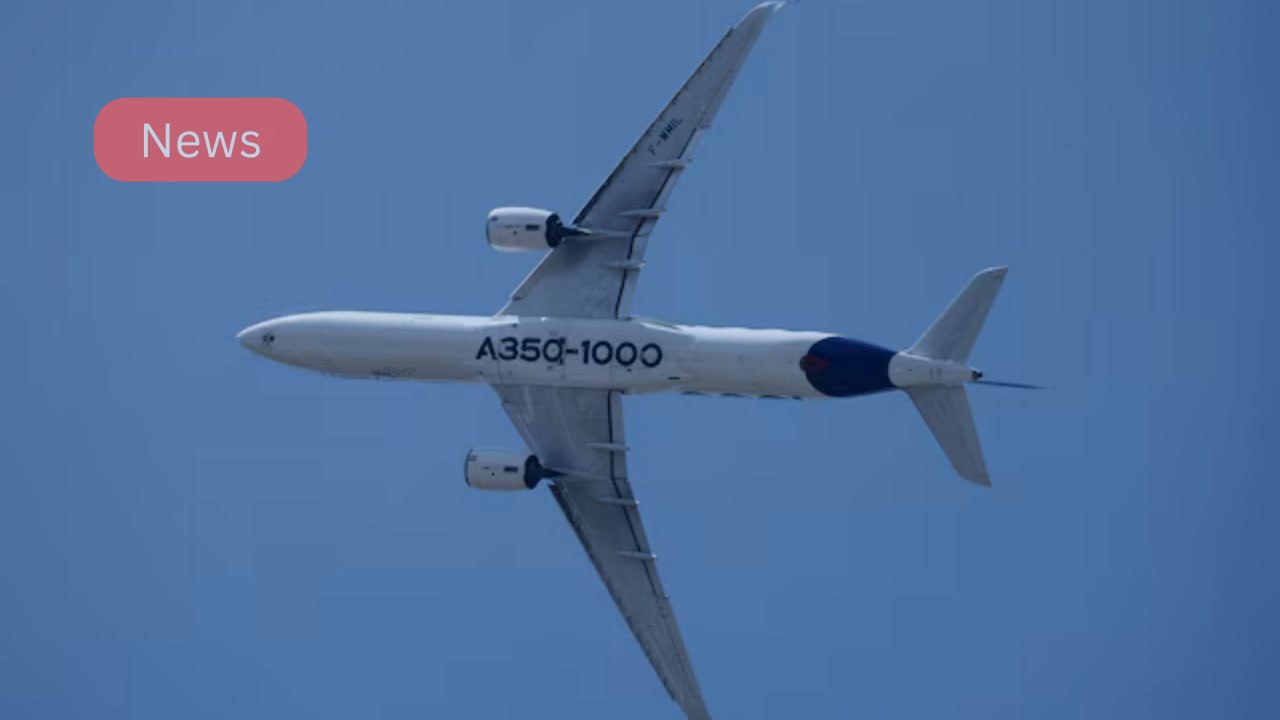

China Airbus approval delays have become the latest issue in the growing competition between Airbus, Boeing, and China’s state-backed aircraft manufacturer COMAC.
According to Reuters journalists Anusha Shah, Julie Zhu, and Sophie Yu, citing a Bloomberg News report, Chinese authorities allegedly delayed approvals for Airbus aircraft deliveries as European regulators continued evaluating certification of the COMAC C919 passenger jet.
The report states that China’s Civil Aviation Administration (CAAC) slowed final approvals needed for Airbus aircraft to enter service in China. The alleged delays reportedly affected nearly 20 aircraft destined for Chinese operators.
Why COMAC C919 Certification Matters
The C919 is China’s flagship narrow-body passenger aircraft and is designed to compete directly with the Airbus A320 family and the Boeing 737 series.
Obtaining certification from the European Union Aviation Safety Agency (EASA) would represent a major milestone for COMAC. EASA approval would significantly improve the aircraft’s ability to enter international markets and attract airlines outside China.
EASA confirmed that certification work remains underway and that validation activities have included test flights conducted in Shanghai. However, regulators have not announced a completion date.
Airbus China Deliveries Affected
Airbus executives previously acknowledged delays involving aircraft scheduled for Chinese customers.
Airbus CEO Guillaume Faury described the issue as an administrative matter during earlier earnings discussions. The company indicated that the situation had been resolved and expected affected deliveries to occur during the second quarter of 2026.
The delays contributed to Airbus recording its lowest first-quarter commercial aircraft deliveries since 2009. Airbus also reported approximately €5 billion in inventory, partly linked to aircraft awaiting delivery.
Timeline
- January 2026: EASA confirms C919 validation flights.
- April 2026: Airbus discusses delays affecting aircraft bound for China.
- May 27, 2026: Reuters reports Bloomberg’s claim regarding approval delays.
- June 2026: Airbus reports stronger deliveries after the issue appears resolved.
Regulatory Independence Remains Critical
The situation highlights a fundamental principle in international aviation: certification decisions must remain independent from commercial and political pressures.
Organizations such as EASA, the U.S. Federal Aviation Administration (FAA), and national aviation authorities evaluate aircraft based on safety, operational reliability, and compliance with international standards.
The certification process for a new commercial aircraft typically involves years of technical reviews, flight testing, and documentation analysis before regulators approve operations.
Impact on Global Aerospace Competition
The dispute comes as China seeks to expand COMAC’s presence in the global aviation market.
The C919 represents China’s most serious attempt to challenge the Airbus-Boeing duopoly in the narrow-body aircraft sector. While COMAC has achieved domestic success, international certification remains essential for broader adoption.
For Airbus, China remains one of the world’s largest aviation markets. Any disruption in approvals or deliveries can affect production schedules, cash flow, and long-term planning.
What’s Next?
Several developments will determine how this story evolves:
- EASA’s continued evaluation of the COMAC C919.
- Future Airbus delivery performance in China.
- Any official response from CAAC or COMAC.
- Broader aviation trade relations between China and Europe.
At present, the aviation facts surrounding delayed Airbus deliveries and ongoing C919 certification are well documented. However, the allegation that China used delivery approvals as leverage remains based on unnamed sources and has not been officially confirmed. Aviation stakeholders will therefore continue monitoring both regulatory developments and geopolitical signals before drawing definitive conclusions.







