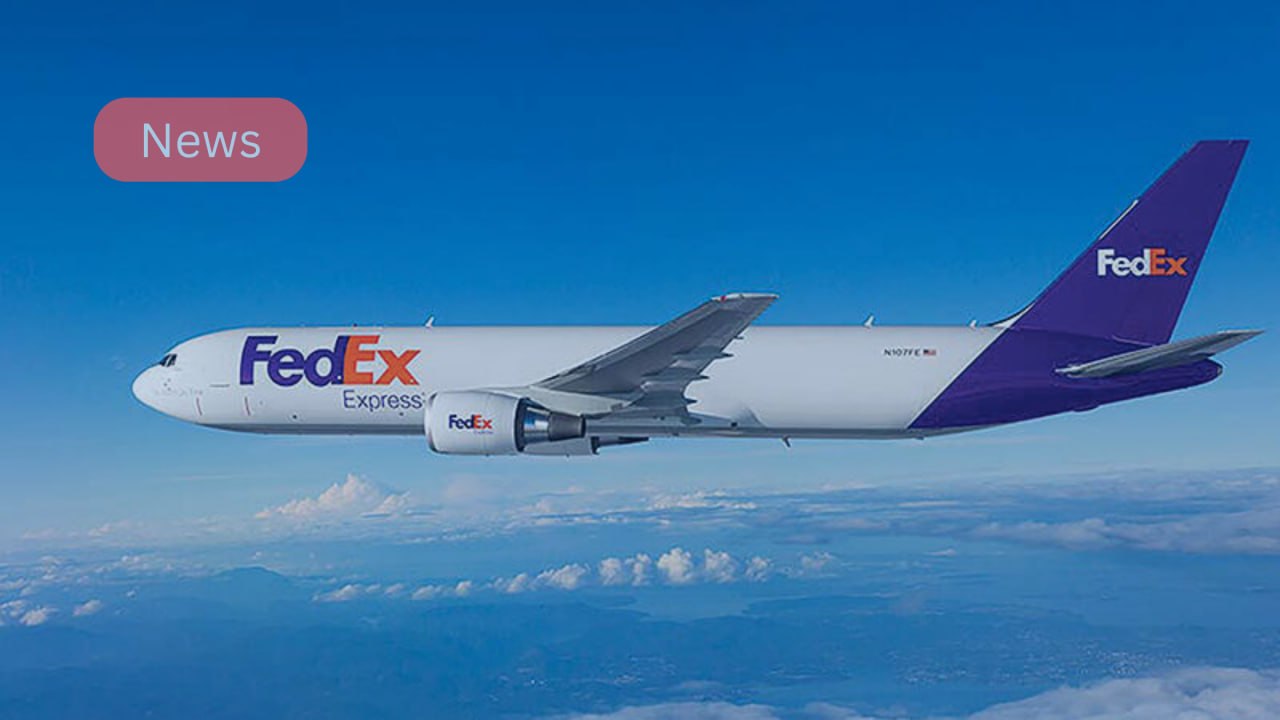

FedEx is reshaping its operations to match the evolving FedEx global cargo market, adjusting its network, fleet, and logistics strategy as international trade patterns continue to change. According to aviation journalist Aaron Karp in Aviation Week Network, the company believes flexibility has become essential for long-term success in today’s cargo environment.
The strategy reflects several years of changes driven by global trade shifts, e-commerce fluctuations, geopolitical disruptions, and emerging demand for high-value cargo such as semiconductors and AI hardware. Rather than relying on historical traffic patterns, FedEx is redesigning its operations around new cargo flows and customer requirements.
FedEx Global Cargo Market Strategy Focuses on Flexibility
FedEx President and CEO Raj Subramaniam says adapting to constant change has become a core principle for the company, continuing guidance originally emphasized by founder Fred Smith during the leadership transition in 2022.
The company continues investing in:
- Network optimization
- Fleet modernization
- Digital logistics capabilities
- Operational efficiency
- Sustainable aviation initiatives
These efforts aim to improve resilience while maintaining service reliability during periods of market volatility.
Air Cargo Demand Continues to Shift
Global air cargo demand remains influenced by several major factors:
- Expansion of semiconductor and AI hardware shipments
- Slower cross-border e-commerce growth
- Geopolitical disruptions affecting trade routes
- Changes in fuel prices
- Regional manufacturing shifts toward Southeast Asia
Independent cargo market analysis has reported continued demand growth despite softer spot freight rates as supply chains adjust to new market conditions.
Fleet Modernization Supports Long-Term Growth
FedEx continues replacing older aircraft with newer, more fuel-efficient freighters while optimizing aircraft deployment across its international network.
Recent Aviation Week reporting also highlights:
- Sustainable Aviation Fuel (SAF) expansion
- New cargo hubs
- Modernized maintenance practices
- Network restructuring
These initiatives are intended to lower operating costs while improving environmental performance and operational flexibility.
Industry Context
The International Air Transport Association (IATA) has consistently identified air cargo as a critical component of global supply chains, particularly for high-value and time-sensitive goods. Cargo airlines continue adapting to geopolitical disruptions, evolving trade policies, and shifting manufacturing centers that influence demand across international routes. These broader industry dynamics help explain why operators such as FedEx are redesigning their networks and investing in more efficient fleets.
Industry Impacts
- Greater flexibility across international cargo networks
- Improved fuel efficiency through fleet renewal
- Better resilience against geopolitical disruptions
- Increased focus on high-value freight markets
- Continued investment in digital logistics capabilities
What’s Next?
The global cargo market is expected to remain dynamic as international trade patterns continue evolving. FedEx’s strategy suggests major cargo airlines will prioritize operational flexibility, modern aircraft, and technology-driven logistics over simple network expansion. Future performance will depend on global economic conditions, trade policy developments, and continued demand for high-value shipments such as electronics, pharmaceuticals, and industrial components.







