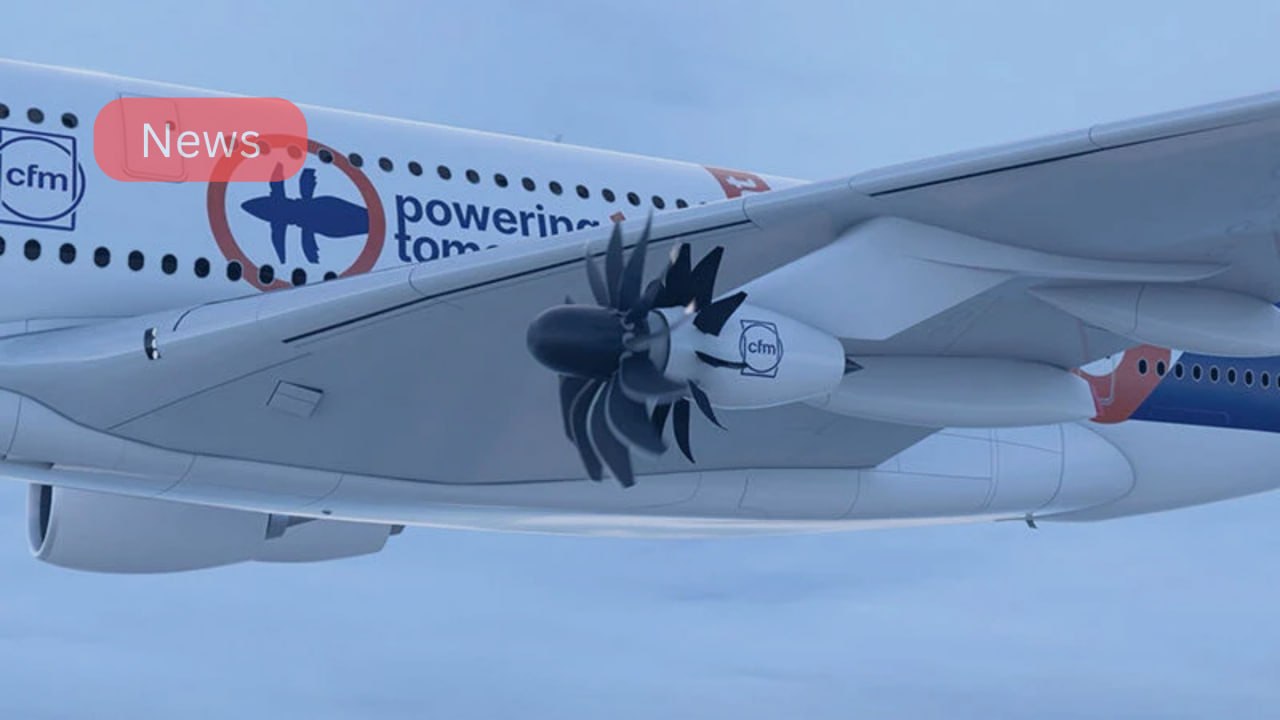

Airbus has launched a multi-year flight-test campaign using an A321neo aircraft to evaluate high-span wings and advanced propulsion concepts. This initiative marks a major milestone for the manufacturer’s Wing of Tomorrow research program. The data collected will directly inform the upcoming Airbus single-aisle aircraft decision, shaping the successor to the A320neo family.
As reported in detailed trade coverage by Aviation Week Network, Airbus unveiled its extended folding wing concept at the Farnborough Airshow. Engineers will design, manufacture, and flight-test full-scale wingtip extensions over the next three years. These tests aim to validate aerodynamic drag reductions and de-risk technologies required for entry into service around 2035.
Testing Longer, Slender Wings for Next-Generation Narrowbody Aircraft
The wing represents one of the largest leverage points for improving jetliner efficiency. By increasing wingspan and aspect ratio, aircraft generate less lift-induced drag, which directly reduces fuel burn and carbon emissions.
During the upcoming flight trials, full-scale wing extensions measuring several meters will simulate folding wingtips in their fully extended flight position. Extensive internal instrumentation will record structural loads, flutter dynamics, and overall handling qualities.”The wing is one of the biggest levers we have to improve flight efficiency, which is why the Wing of Tomorrow is so critical for our next generation single aisle aircraft,” stated Sue Partridge, Head of Airbus’s Wing of Tomorrow programme. “This flight-test campaign will allow us to safely challenge traditional design limits and explore the benefits of longer wings.”
Overcoming Gate Limits with Open Fan Engine Testing and Folding Wings
Expanding wingspan presents significant logistical challenges at commercial airports. The International Civil Aviation Organization (ICAO) Aerodrome Reference Code system categorizes standard single-aisle aircraft (such as the A320 and Boeing 737) under Code C, which restricts wingspans to 36 meters (118 feet).
Wings exceeding 36 meters require Code D gates, limiting airport access and driving up carrier gate fees. Folding wingtips solve this issue by extending in flight for aerodynamic efficiency and retracting on the ground to maintain standard Code C gate compatibility.
In parallel with aerodynamic testing, Airbus is advancing open fan engine testing and propulsion integration. The European manufacturer is evaluating CFM International’s Revolutionary Innovation for Sustainable Engines (RISE) open fan concept alongside advanced enclosed turbofans from Pratt & Whitney.
Key propulsion and aerodynamic developments include:
- Aerodynamic Optimization: High-aspect-ratio carbon-composite wings designed to lower drag during cruise flight.
- Propulsion Evaluation: Wind-tunnel and flight integration studies for open-fan engines promising over 20% fuel savings.
- Industrial Automation: Over 100 new manufacturing and assembly techniques engineered to support high production rates above 75 aircraft per month.
- Hydrogen Exploration: Parallel research into hydrogen propulsion through a joint venture with Germany’s MTU Aero Engines.
Strategic Timeline Leading to the 2030 Program Launch
Airbus plans to finalize its architectural choices by 2030, targeting entry into commercial service by 2035. This schedule aligns with international net-zero carbon goals set by ICAO and the International Air Transport Association (IATA).
Bruno Fichefeux, Head of Future Programs at Airbus, emphasized that combined aerodynamic, engine, and structural improvements aim for an aggregate 20% to 30% reduction in fuel consumption compared to current-generation narrowbodies.
Industry Outlook: Defining the Future of Commercial Aviation Efficiency
The race to develop the next narrowbody platform will redefine competitive dynamics between Airbus and Boeing over the coming decades. Single-aisle jets represent the largest segment of commercial fleets globally, generating the highest volume of aircraft deliveries and revenue.
By combining high-span composite wings with advanced propulsion concepts, Airbus is positioning itself to meet stringent environmental regulations while lowering operating costs for airlines. The ongoing flight-test campaign in Toulouse will provide the flight data needed to validate these technologies, ensuring the next single-aisle platform achieves unprecedented commercial aviation efficiency.







