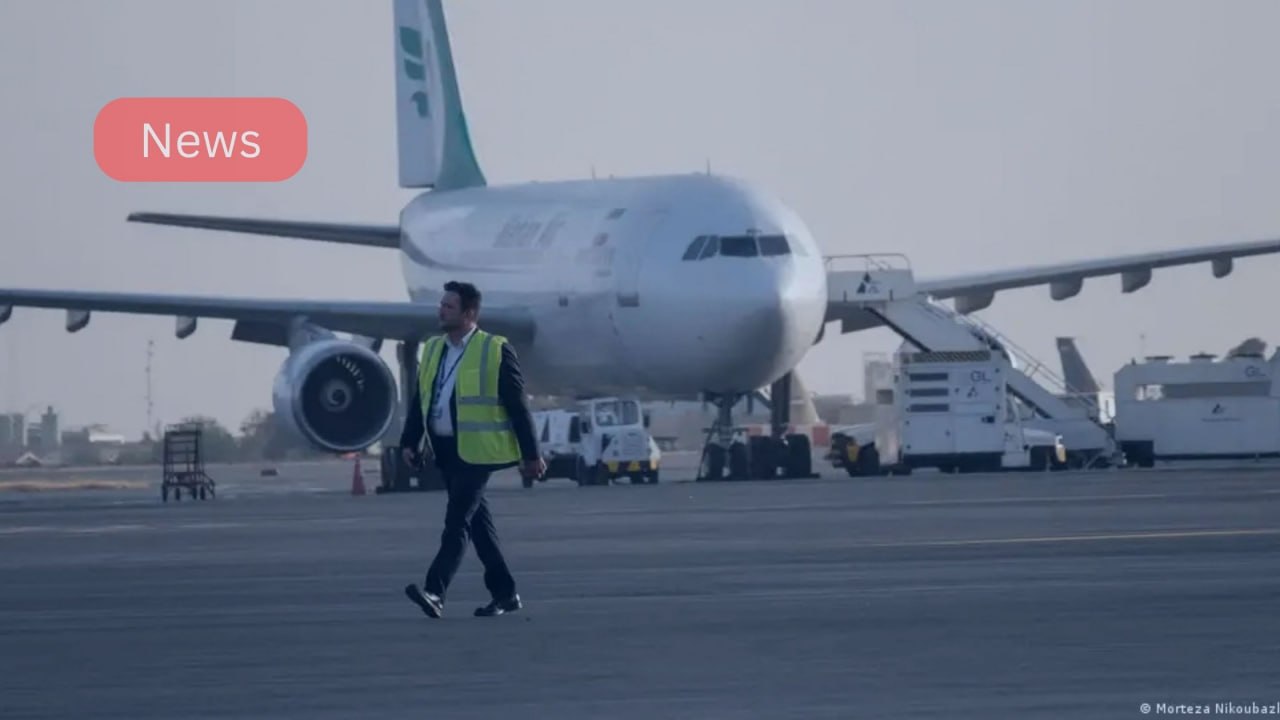

The U.S. Department of the Treasury’s Office of Foreign Assets Control (OFAC) has issued sweeping secondary sanctions against 27 Iranian commercial carriers, significantly intensifying pressure on Iran’s commercial air transport network. According to official reporting from AP News journalist Matthew Lee, the measures aim to sever Iran’s remaining civil aviation ties to international banking and global airport services.
The economic action targets major national carriers alongside regional feeder airlines under Executive Order 13902. By leveraging secondary sanctions, the U.S. government threatens foreign ground handling companies, maintenance vendors, and fuel suppliers with exclusion from the U.S. dollar system if they assist Iranian flight operations.
Middle East Aviation Operations Face Heightened Supply Chain Pressure
Iran’s commercial flight sector has faced maintenance friction for decades due to restricted access to original equipment manufacturer (OEM) parts from Boeing and Airbus. However, the latest enforcement mechanism expands secondary sanctions to non-U.S. service providers operating across Europe, Asia, and the Middle East.
Key operational impacts across regional hubs include:
- Refueling Restrictions: Foreign airport fuel vendors risk severe penalties when supplying Iranian-flagged passenger or cargo aircraft.
- Maintenance & Spare Parts Disruption: Authorized airframe overhaul and engine maintenance support now require case-by-case U.S. Treasury clearance.
- Overflight & Airspace Revenue Loss: Secondary sanctions target non-U.S. airlines utilizing Iranian airspace with U.S.-origin airframes, reducing Iran’s overflight fee revenue.
Despite international pressure, flight tracking data indicates that carriers like Mahan Air and IranAir maintain limited regional routes into participating hubs across Asia and neighboring states.
Background: ICAO Safety Standards and Regional Air Transport Policy
International civil aviation standards under the International Civil Aviation Organization (ICAO) Chicago Convention mandate strict airworthiness and maintenance oversight for international passenger travel. The convergence of strict safety mandates and financial sanctions leaves Iranian carriers operating older fleet types under complex technical conditions.
“Losing access to fuel, ground handling, or essential maintenance services can render a route impossible to operate, even when an aircraft remains technically operational.”
— Luke Peters, Senior Aviation Analyst at Aerospace Global News
As neighboring countries evaluate humanitarian exemption requests for essential passenger travel, international operators continue adjusting flight corridors around Iranian airspace to mitigate regulatory risk.
Industry Outlook: What’s Next for Regional Air Mobility?
The commercial aviation sector faces continued operational realignment across the Middle East. Foreign service providers will likely tighten compliance screening before offering ground handling or technical support to foreign-registered airframes operating near Iranian airspace.
While Iranian aviation authorities explore bilateral agreements with non-aligned international trade partners, rising operational costs and supply chain constraints will continue reshaping international route structures across the region.







