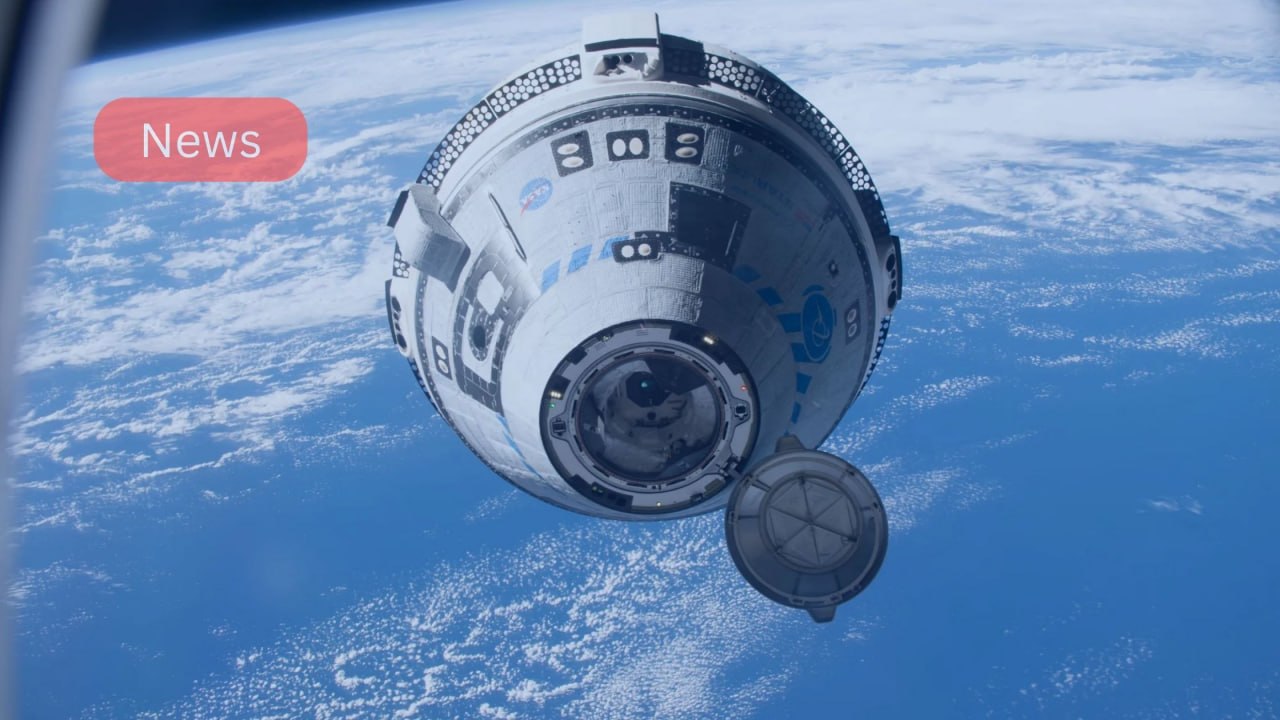

NASA and Boeing held a media briefing to share a crucial Boeing Starliner development update regarding the Commercial Crew Program. According to official agency releases authored by NASA public affairs officers Lauren E. Low and Gerelle Q. Dodson, space agency officials and Boeing executives outlined technical progress and updated flight plans for the CST-100 Starliner spacecraft.
The briefing included remarks from Dana Weigel, manager of NASA’s Low Earth Orbit Program, and John Mulholland, vice president and program manager for Boeing Commercial Crew. Leadership outlined modifications aimed at resolving propulsion thermal issues while reaffirming commitment to certifying Starliner for operational crew rotation missions to the International Space Station (ISS).
Key Technical Updates and Operational Timeline
Boeing engineers have introduced thermal shunts and protective barriers around the spacecraft’s thruster housing. These physical modifications aim to reduce maximum operational temperatures during orbital maneuvers, preventing thruster degradation seen in previous flight tests.
NASA and Boeing confirmed the updated path toward full crew transport certification:
- Thermal Barrier Installation: Integration of thermal shielding to lower thruster housing temperatures.
- System Testing: Ground-based hot-fire tests to validate propulsion system reliability under extreme conditions.
- Contract Adjustment: Reallocation of mission milestones to accommodate rigorous safety testing before crewed missions return.
- ISS Rotation Integration: Preparing Starliner to serve as a redundant redundant human access system alongside SpaceX’s Crew Dragon.
Context: Commercial Crew Policy and Space Transport Security
Having two independent U.S. commercial transport systems remains a core policy goal for NASA’s Low Earth Orbit Program. Redundancy ensures uninterrupted access to the ISS in the event that one spacecraft type experiences technical groundings.
Under international agreements governed by space policy guidelines, multi-provider strategies prevent single-point failures in human spaceflight logistics. Boeing’s fixed-price Commercial Crew Transportation Capability (CCtCap) contract structure requires the manufacturer to absorb costs associated with testing delays and hardware redesigns, shielding public budgets from technical overruns.
Industry Outlook: The Future of Low Earth Orbit Access
As the International Space Station approaches its planned decommissioning in the early 2030s, reliable human-rated vehicles are essential for transitioning to commercial space stations. Achieving full certification for Starliner preserves critical orbital transport options for national space agencies and private spaceflight research operations alike.
NASA and Boeing’s joint efforts ensure that critical safety standards remain paramount before astronauts board future operational flights. Industry analysts will watch upcoming static fire testing closely as Starliner aims to solidify its position in global space transport infrastructure.







