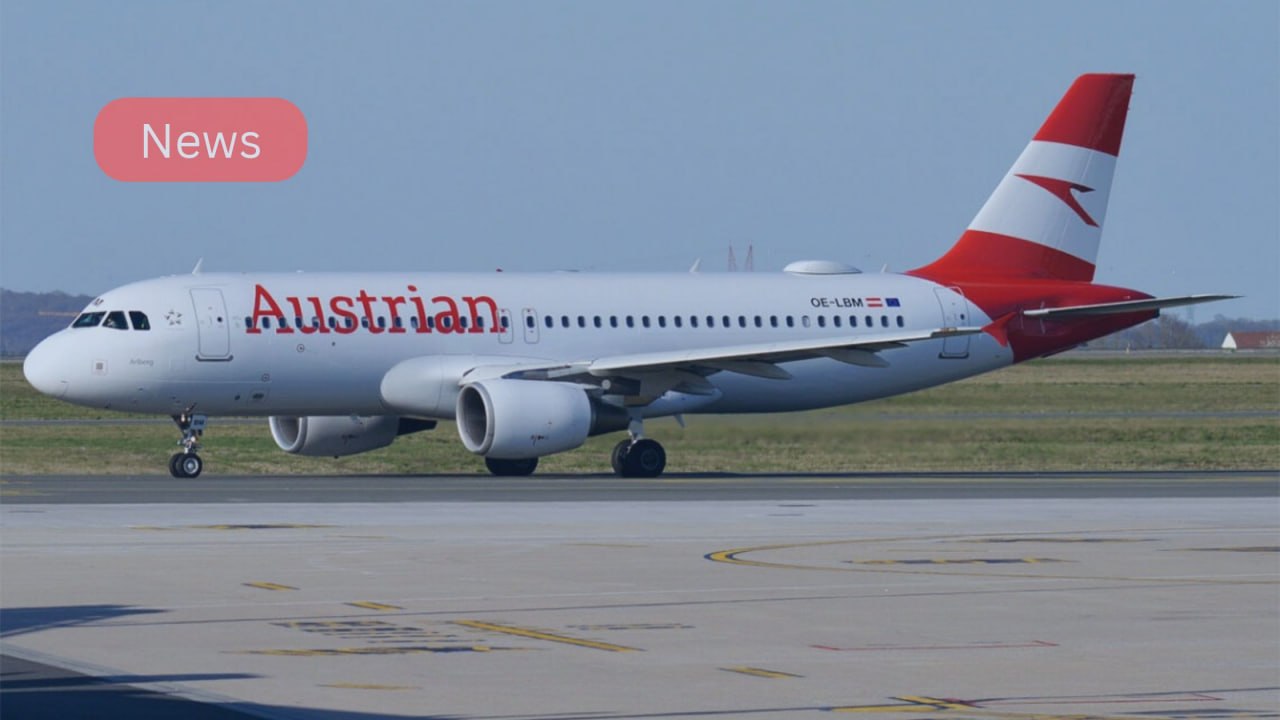

An Austrian Airlines A320neo aircraft has remained stranded at London Heathrow Airport for three weeks following a severe landing incident. According to aviation reporting from Aviation A2Z, flight OS333 from Vienna suffered a tailstrike upon touchdown on September 19, 2026. While all passengers and crew disembarked safely without injury, the structural impact necessitated an extended operational halt.
The impacted aircraft, an Airbus A320neo registered as OE-LZN, is one of the flagship modern additions to the Austrian carrier’s short- and medium-haul fleet. Maintenance teams immediately removed the jet from active rotation to perform detailed non-destructive testing and structural evaluations. Consequently, the scheduled return flight back to Vienna was promptly cancelled, leaving airline schedulers to manage regional capacity adjustments.
Extended Maintenance and Airport Access Restrictions
The prolonged grounding highlights the complex nature of managing out-of-base structural repairs at a congested mega-hub like London Heathrow. Because tailstrikes involve potential damage to the aft fuselage pressure bulkhead and skin panels, airlines cannot rush clearance. Technical crews must adhere strictly to manufacturer-mandated assessment protocols.
- September 19, 2026: Flight OS333 experiences a tailstrike during landing at London Heathrow (LHR).
BEA - Late September 2026: Initial structural evaluations take place on-site, confirming the cancellation of the return leg to Vienna.
Facebook - Early October 2026: The aircraft crosses the three-week threshold as specialized engineering fixes and Airbus-guided repair procedures continue.
Aviation A2Z
Broader Implications for Middle East Aviation News and European Fleets
Unscheduled heavy maintenance at foreign stations puts immense pressure on airline logistics. For network carriers navigating tight fleet utilization metrics, losing a next-generation narrowbody equipped with fuel-efficient Pratt & Whitney engines disrupts schedules across European corridors. Regulatory bodies like the European Union Aviation Safety Agency (EASA) and the UK Air Accidents Investigation Branch (AAIB) monitor such structural incidents to ensure strict compliance before issuing ferry-flight permits.
Industry analysts note that securing hangar space, specialized engineering talent, and OEM component availability away from a carrier’s primary hub (Vienna International Airport) often stretches turnaround windows from days into weeks.
Industry Outlook: What’s Next
Austrian Airlines continues to coordinate with technical teams and airworthiness authorities to determine a precise timeline for the aircraft’s ferry flight back to base. Once final structural sign-offs are completed, OE-LZN will undergo a non-revenue positioning flight before re-entering commercial service on core European routes. The incident serves as a stark reminder of the operational resilience required when unexpected structural events strike high-frequency international routes.







