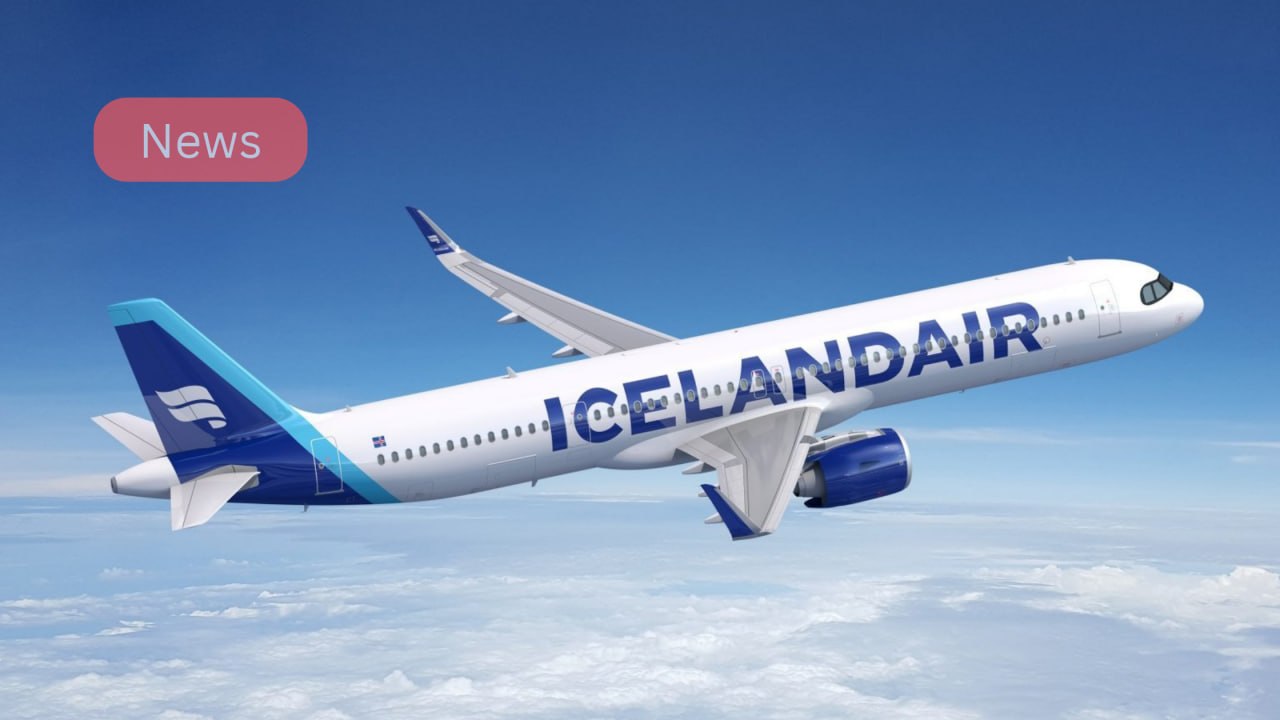

Icelandair is undertaking a major structural shift as it approaches the end of an era. The carrier is accelerating the retirement of its venerable Boeing 757s while simultaneously moving the remaining aircraft to a newly acquired Air Operator Certificate (AOC) in Malta. This strategic pivot is designed to maximize the remaining utility of the aging twinjets in the lucrative charter and wet-lease markets before they are fully replaced by next-generation Airbus and Boeing aircraft.
According to industry reports and statements from Icelandair’s third-quarter earnings call in October 2026, the airline finalized the acquisition of a 49% stake in PLAY Europe, a Maltese entity left behind by the collapse of rival airline PLAY. By moving the remaining 757s to this Maltese certificate, Icelandair gains crucial EU operational flexibility as it finalizes its transition to a highly efficient narrowbody fleet.
The Maltese AOC Strategy for Icelandair’s Remaining 757s
During Icelandair’s Q3 2026 financial presentation, CEO Bogi Nils Bogason confirmed that the airline paid $686,000 for the minority stake in PLAY Europe. Crucially, the airline intends to move the remaining Boeing 757s—operated primarily by its charter and leasing arm, Loftleidir—to this new Maltese AOC.
Consolidating the 757s under a single European registry prevents the fleet from being split across multiple jurisdictions. More importantly, an EU-based AOC grants Loftleidir broader access to European air service agreements. This makes the aircraft significantly easier to place with European tour operators and other airlines for wet-lease (ACMI) contracts, a strategy successfully utilized by other charter operators like Air Atlanta Icelandic.
Accelerating the Fleet Renewal Amid Rising Fuel Costs
The decision to squeeze the final commercial value out of the 757s in the charter market comes as their scheduled mainline retirement has been pushed forward. Originally planned to fly through the summer of 2027, the Boeing 757s (along with the widebody 767s) are now scheduled to exit Icelandair’s scheduled passenger network by early January 2027.
The primary catalyst for this accelerated retirement is economics. Rising jet fuel prices have severely impacted the viability of the older aircraft. In recent statements, Icelandair executives noted that the incoming next-generation aircraft consume up to 30% less fuel per seat, a critical metric for maintaining profitability on transatlantic routes.
The Next Generation: A Mixed Boeing and Airbus Fleet
For decades, the Boeing 757 was the backbone of Icelandair’s unique geographic strategy, utilizing the aircraft’s range to connect North America and Europe via its Keflavik hub. To replace this capability, the airline is pivoting to a mixed fleet strategy:
- Airbus A321LR and A321XLR: These incoming long-range narrowbodies will take over the transatlantic duties of the 757, offering superior fuel efficiency and allowing the airline to open new, thinner routes.
- Boeing 737 MAX 8 and 9: These aircraft will continue to support European and medium-haul feeder operations.
- Airbus A320neo: To provide further capacity flexibility, Icelandair has recently signed lease agreements for additional A320neos, expected to enter service before the 2028 summer season.
This transition marks a historic departure for Icelandair, which has operated an almost exclusively Boeing fleet for decades.
Industry Outlook: What’s Next for Icelandair?
As Icelandair’s 757s finish their storied mainline careers in early 2027, the airline is positioning itself for a leaner, more resilient future. The dual-AOC structure, combining the core Icelandic scheduled network with the newly acquired Maltese EU certificate for charter operations, allows the airline to diversify its revenue streams.
While the accelerated retirement brings short-term network adjustments and connection bank realignments at Keflavik, the long-term outlook points to reduced seasonality and significantly lower operational costs once the transition to the A320neo family and Boeing 737 MAX fleet is complete.







