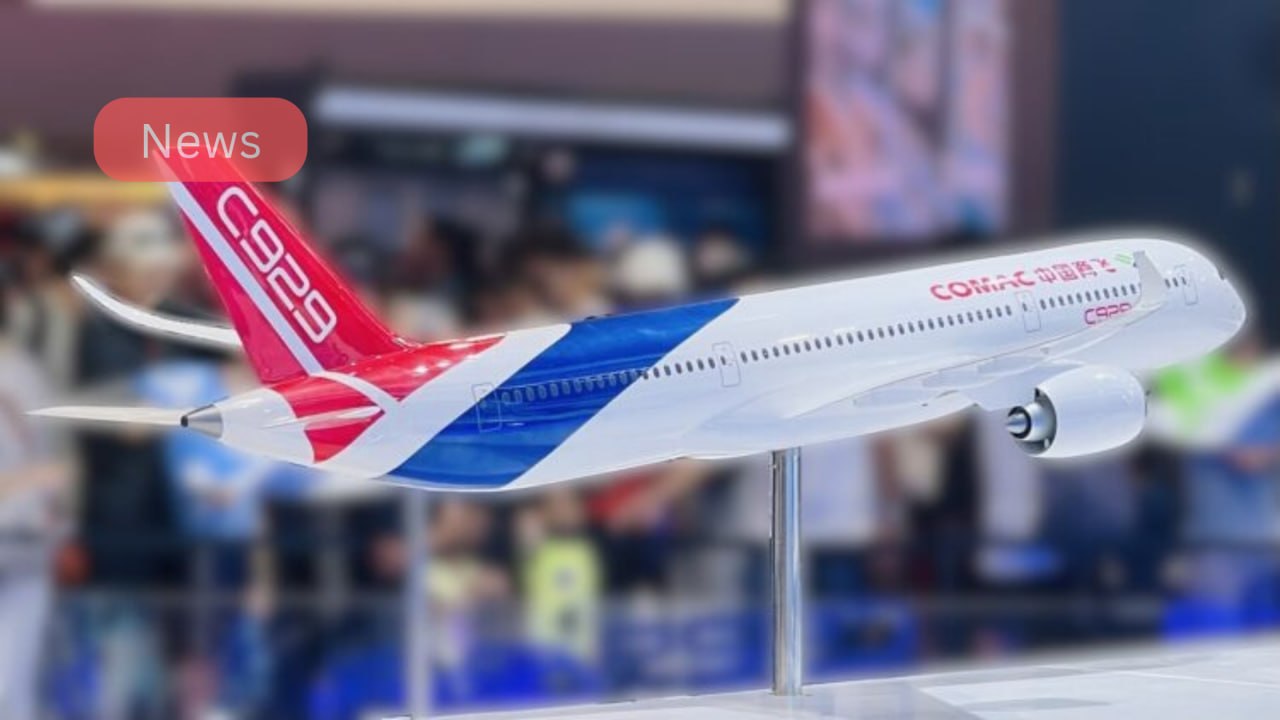

Journalist Karan Bhatta of Aviation A2Z reports that the China C929 widebody development program just reached a crucial milestone. On October 21, 2026, aviation leaders from Hong Kong, Macau, and mainland China gathered in Shanghai. They held the first joint type certification meeting for the new aircraft. This collaboration seeks to streamline regulatory approvals for the upcoming twin-aisle jet.
The Civil Aviation Administration of China (CAAC) hosted the important event. Director Carmen Wong Ka-wah led the Hong Kong CAD (Civil Aviation Department) delegation. The meeting builds upon a formal cooperation arrangement signed in April 2026. This framework allows the three regional authorities to pool their technical expertise.
Key Specifications of the COMAC Aircraft Program
The C929 represents a major leap for China’s domestic aerospace industry. Engineers designed the aircraft to compete directly in the lucrative transoceanic market. It shifts focus away from the shorter routes served by the C909 and C919.
The new aircraft features several ambitious design goals:
- Passenger Capacity: Accommodates up to 290 passengers in a standard layout.
- Flight Range: Achieves a maximum range of approximately 12,000 kilometres.
- Market Position: Targets international travel and heavy-volume trunk routes.
Advancing the Aviation Certification Process
Entering the global market demands rigorous safety and operational standards. Type certification requires developers to prove the aircraft meets strict airworthiness regulations. Hong Kong brings valuable experience to this aviation certification process.
The Hong Kong CAD has participated in mainland aircraft reviews since 2007. Director Wong noted that her department views its involvement as a great honor. Her team will apply its knowledge of international standards to assist current assessments. During the Shanghai meeting, representatives finalized a blueprint for future support groups.
Impact on China C929 Widebody Development
This joint effort aligns with broader economic and industrial goals. Hong Kong authorities stated this partnership supports the nation’s 15th Five-Year Plan. The initiative gives Hong Kong a distinct role in expanding the domestic aerospace sector.
Currently, developers have not released a timeline for the aircraft’s commercial debut. However, creating a unified regulatory framework removes major bureaucratic hurdles. It ensures the long-haul passenger jets will face a smoother path to approval.
Industry Outlook: What’s Next?
The global market currently relies heavily on established Western manufacturers. The success of the COMAC aircraft program could disrupt this traditional duopoly. Analysts expect further working group meetings in the coming months. These dedicated groups will tackle specific engineering and safety audits. The industry will watch closely as the C929 approaches final certification.







