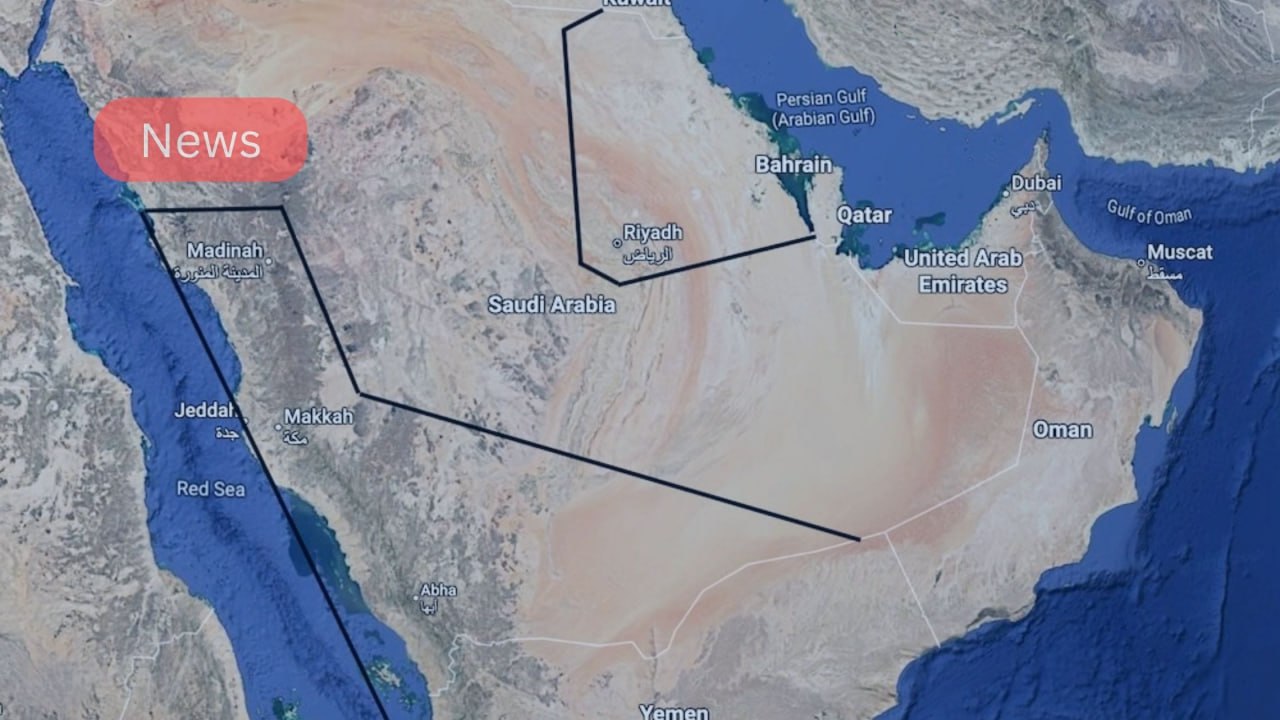

The European Union Aviation Safety Agency (EASA) has officially broadened its conflict zone warnings for Middle Eastern airspace, extending critical safety advisories deeper into Saudi territory. According to specialized aviation reporting by FlightGlobal, the updated directive came in response to mounting security incidents, including coordinated drone and cruise missile strikes targeting primary infrastructure at King Khalid International Airport in Riyadh.
The regulatory adjustment updates an initial Conflict Zone Information Bulletin (CZIB) released on September 30, expanding avoidance parameters to include northwestern sections of the Kingdom. As regional tensions escalate, international carriers are re-evaluating flight paths, leading to notable schedule adjustments and heightened scrutiny across Middle East aviation news.
Escalating Risks to Commercial Aviation
The decision by European regulators stems from demonstrated capabilities by Houthi forces to strike targets deep inside Saudi territory. EASA highlighted that repeated missile and drone attacks, paired with the active deployment of ground-based air defense systems, drastically increase the operational hazard of civil aircraft misidentification.
Furthermore, regulatory authorities flagged secondary risks associated with active interception operations, falling military debris, and unpredictable projectile trajectories. With major aviation hubs experiencing sudden capacity constraints—such as King Khalid International Airport registering significant cancellations during peak disruption windows—airport access restrictions and dynamic route rerouting have become immediate operational necessities for global airlines.
Regulatory Timeline and Operational Impact
- September 30: EASA issues its baseline Conflict Zone Information Bulletin regarding regional airspace hazards.
- Early October: Cruise missile and drone impacts are registered at key Saudi facilities, including Riyadh’s main international gateway.
- October 9: EASA broadens its official bulletin, adding northwestern sectors and tightening oversight on regional flight corridors.
- Immediate Aftermath: Multiple international carriers temporarily suspend or modify rotations, prioritizing flight safety over standard scheduling.
Industry Outlook and Risk Mitigation
Modern aviation security relies heavily on proactive information-sharing platforms, such as the European Information Sharing and Cooperation Platform on Conflict Zones. Airspace regulators now expect dispatchers to treat safety bulletins as live operational constraints rather than background notifications. Moving forward, airlines operating through the Jeddah Flight Information Region (FIR) must maintain rigorous risk assessments, continuous crew briefings, and adaptable contingency frameworks to safeguard passengers amidst ongoing geopolitical volatility.







