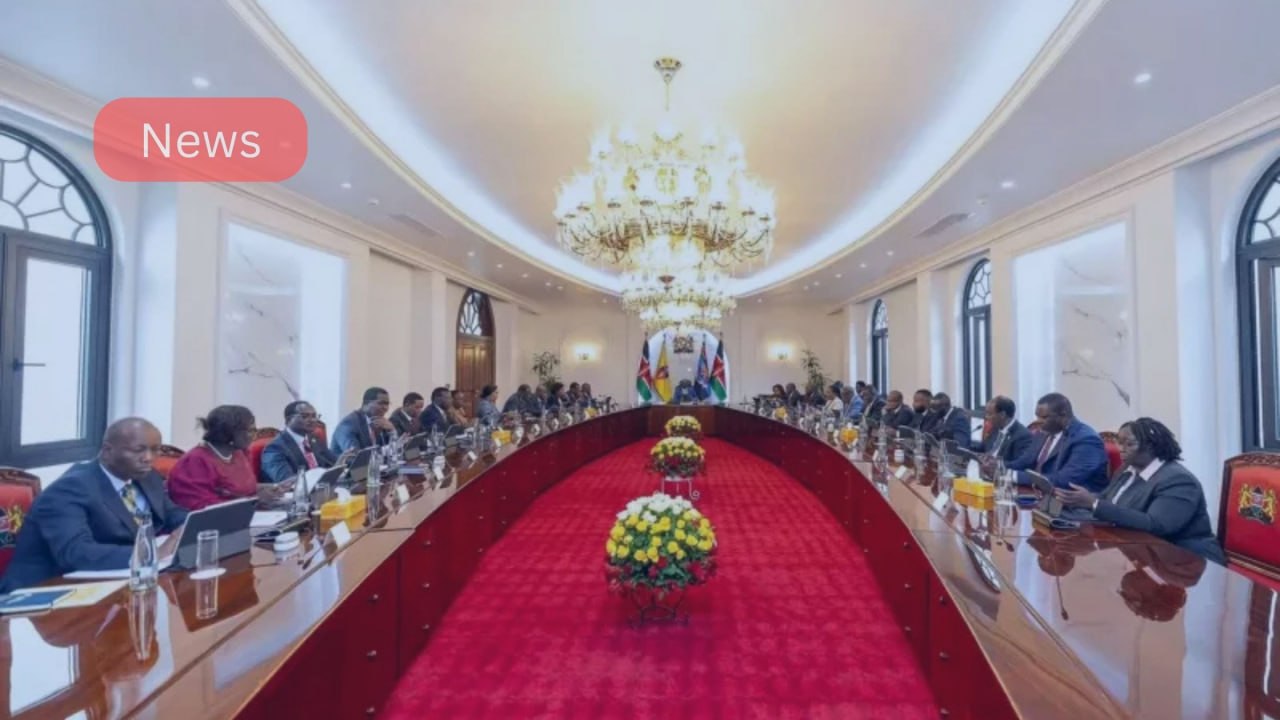

The Kenyan Cabinet has approved a critical $350 million (Sh45.4 billion) shareholder financing package for Kenya Airways financing to address acute liquidity pressures, clear arrears, and restore grounded aircraft to active service. Announced following an executive meeting at State House, the state-backed rescue plan aims to stabilize the national carrier’s operational capacity. The injection comes as the airline grapples with persistent global supply chain constraints for spare parts and rising maintenance costs.
According to comprehensive reporting by Nation and The Star, the funds will be disbursed in structured phases under the strict supervision of the National Treasury. Furthermore, the intervention features a repayment timeline extending up to 10 years, with provisions allowing the financing to be converted into equity. Alongside the direct funding, the Cabinet endorsed a comprehensive strategy to convert roughly Sh122 billion in prior government loans and accrued interest into a tradable, equity-qualifying instrument to radically restructure the balance sheet.
Stabilizing East African Aviation and Fleet Operations
The multi-pronged rescue package is designed to safeguard an enterprise that contributes upwards of $1.3 billion annually to Kenya’s broader economy. Industry stakeholders note that national carriers across emerging markets face profound capital hurdles, often requiring direct state intervention to maintain strategic trade corridors. By addressing delayed supplier payments and funding heavy aircraft maintenance, the injection targets the root causes of recent capacity bottlenecks that forced portions of the wide-bodied fleet onto the ground.
- Phase-Controlled Tranches: Disbursements are regulated directly by the National Treasury to ensure strict accountability.
- Debt-to-Equity Restructuring: Sh122 billion in historical debt is slated for conversion into equity-qualifying instruments.
- Fleet Rehabilitation: Capital is earmarked specifically for routine maintenance and bringing grounded jets back into commercial rotation.
Supporting Regional Connectivity and Market Confidence
Beyond immediate technical fixes, the financial injection aims to restore vital confidence among international lessors, maintenance contractors, and commercial suppliers. Restoring a reliable schedule is essential for Nairobi’s Jomo Kenyatta International Airport (JKIA) to retain its status as a premier East African aviation hub. Maintaining robust regional connectivity protects thousands of aviation-linked jobs and supports seamless trade routes spanning the continent.
“The measure is intended to strengthen Kenya Airways’ balance sheet and support future capital raising, subject to necessary regulatory and shareholder approvals,” noted the official Cabinet dispatch.
Industry Outlook
As Kenya Airways moves forward with its long-term turnaround strategy, the success of this capital injection will rely heavily on disciplined execution and strict oversight from the National Treasury. While the restructuring provides immediate relief from crippling debt servicing costs, achieving sustainable profitability will depend on long-term traffic optimization and navigating volatile global jet fuel markets. Observers will closely monitor how effectively the carrier converts these state-backed resources into reliable, expanding flight schedules across Africa and beyond.







