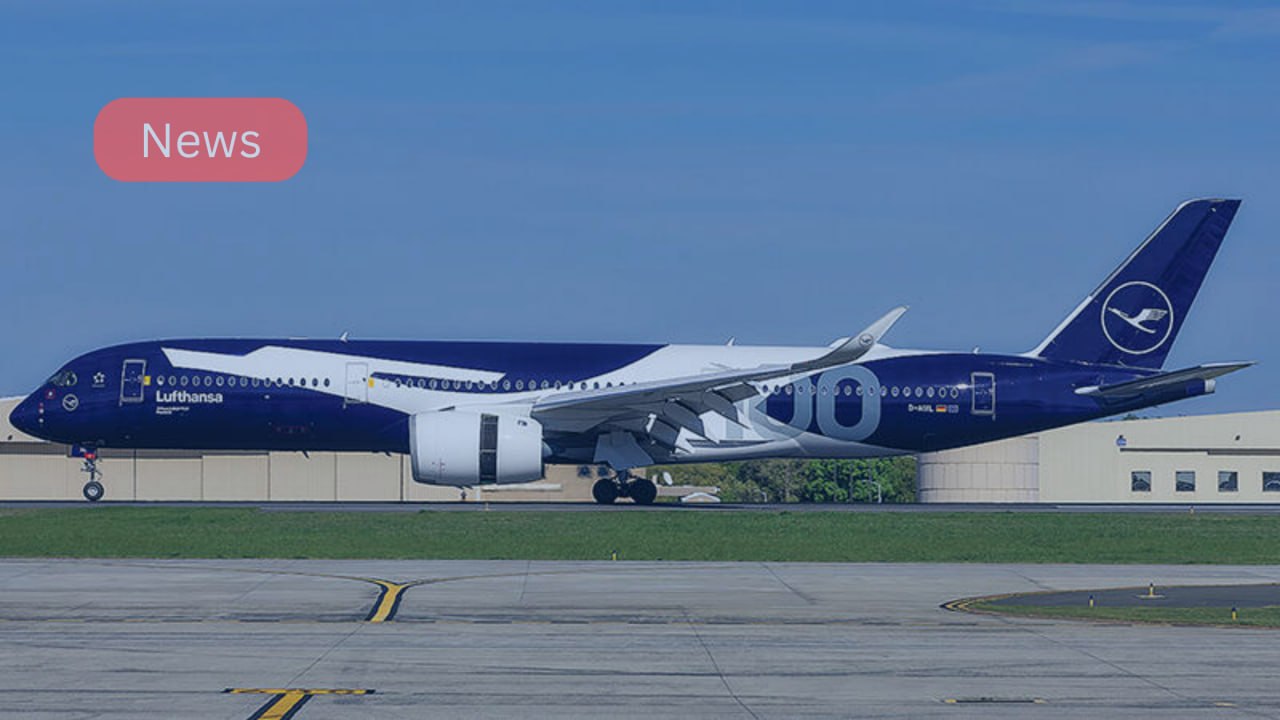

European regulators have approved broader use of Jet A fuel as airlines confront the growing Europe jet fuel crisis triggered by disruptions linked to the Iran conflict.
According to reporting by Aviation Week Network journalists Helen Massy-Beresford and Jens Flottau, the European Commission introduced guidance allowing airlines to use Jet A fuel under controlled conditions to reduce supply pressure across the continent.
The move follows months of volatility in global energy markets after conflict involving Iran disrupted trade routes connected to the Strait of Hormuz, one of the world’s most critical oil transit corridors.
Why Europe Approved Jet A Fuel Use
Europe traditionally relies on Jet A-1 fuel for commercial aviation because of its lower freezing point and suitability for long-haul operations.
However, regulators clarified that Jet A fuel, commonly used in North America, can safely operate in Europe if airlines and fuel suppliers follow proper operational guidance.
Reuters independently confirmed that the EU and European Union Aviation Safety Agency issued guidance supporting the temporary flexibility measure.
The decision aims to:
- Reduce pressure on Jet A-1 supply chains
- Increase fuel sourcing flexibility
- Prevent airport shortages during peak summer travel
- Stabilize airline operations amid higher fuel prices
Europe Jet Fuel Crisis Intensifies
The Iran war aviation impact has increased pressure on European carriers because the region imports a large share of its jet fuel.
Industry analysts and the International Energy Agency warned earlier this year that prolonged disruption in Middle Eastern exports could tighten fuel inventories across Europe.
Reports from Reuters showed jet fuel prices surged sharply after the conflict intensified, forcing airlines to reconsider schedules, hedge strategies, and route economics.
Some airlines have already:
- Reduced flight frequencies
- Added fuel surcharges
- Considered technical fuel stopovers
- Shifted fuel sourcing toward North America
Lufthansa reportedly evaluated additional fuel stopovers on certain long-haul services to improve operational flexibility.
Regulatory and Industry Response
The European Commission stated that current conditions do not justify suspension of passenger rights protections, although contingency planning continues.
Meanwhile, European airlines are coordinating with fuel suppliers, airports, and regulators to prevent major disruptions during the busy travel season.
Industry association Airlines for Europe welcomed regulatory flexibility but warned additional measures may become necessary if supply conditions worsen.
Key Industry Concerns
- Continued instability in the Strait of Hormuz
- Rising operational costs
- Reduced profit margins for airlines
- Potential airfare increases across Europe
- Limited refinery flexibility
Impact on Passengers and Airlines
The Europe jet fuel crisis is already affecting airline economics.
Reuters reported that fuel costs increased substantially for European carriers, with some airlines experiencing weaker booking trends due to uncertainty surrounding the conflict.
Travel analysts also warned that higher aviation fuel costs could translate into:
- More expensive summer tickets
- Reduced route availability
- Increased airline operating costs
- Delayed expansion plans
Despite concerns, most major European airlines have indicated they intend to maintain core schedules through the summer season.
ICAO and Aviation Fuel Standards Context
The flexibility around Jet A fuel remains subject to aviation safety procedures governed by international operational standards.
International Civil Aviation Organization (ICAO) regulations emphasize fuel handling consistency, documentation, and operational risk management for international aviation operations.
Jet A and Jet A-1 are chemically similar aviation turbine fuels. The primary operational difference is freezing point tolerance, which becomes important during high-altitude long-haul flights.
European regulators stressed that airlines must:
- Properly identify fuel specifications
- Communicate changes across supply chains
- Follow aircraft manufacturer requirements
- Maintain cold-weather operational safeguards
What’s Next for European Aviation?
The outlook for the European airline fuel shortages situation depends heavily on geopolitical developments in the Middle East and the reopening stability of energy shipping routes.
Analysts expect Europe to continue:
- Increasing fuel imports from the United States
- Expanding refinery output
- Diversifying aviation fuel sourcing
- Monitoring strategic fuel reserves
If supply disruptions persist, airlines may introduce additional operational adjustments during late 2026.
However, regulators currently believe the Jet A flexibility measure can help stabilize the market while avoiding widespread flight cancellations.







