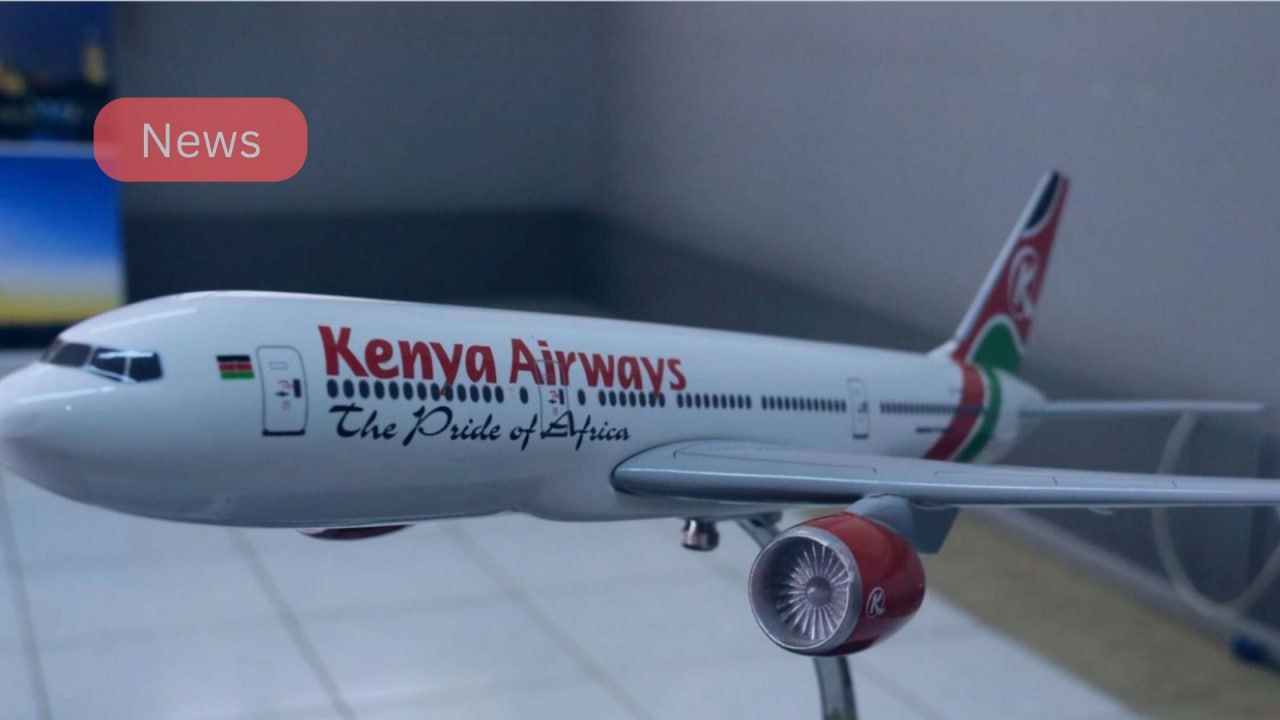

Kenya Airways has implemented a management restructuring that moves several commercially important functions under its Commercial division, days after acting CEO George Kamal announced his departure. The changes took effect on September 7, 2026, as the national carrier works to improve commercial coordination and strengthen its financial position.
Business Daily Africa reported the changes on September 11 in a report by Business & Technology Reporter Vincent Owino. According to the publication, the airline’s internal management memo said the restructuring aims to improve accountability, commercial agility and operational execution.
Kenya Airways management restructuring changes key functions
The restructuring moves at least four functions from the Strategy and Innovation division into the Commercial division headed by Julius Thairu.
The affected functions are:
- Pricing and revenue management
- Network planning and alliances
- Media and public relations
- Government affairs
Kenya Airways also moved fleet development into its technical division. The airline said this would bring fleet planning closer to engineering, maintenance and operational-readiness activities.
The cargo business has also received a separate reporting structure. Its managing director will head a division reporting directly to the CEO.
These changes place several activities affecting revenue, network planning, market positioning and stakeholder engagement closer together.
Kenya Airways CEO transition adds to the restructuring
The management changes follow a leadership transition at Kenya Airways.
George Kamal, who had served as acting Group Managing Director and CEO since December 2025, announced his departure in September. Kenya Airways appointed Habil Waswani, its Company Secretary and Director of Legal Services and Regulatory Compliance, as acting CEO effective September 15.
Aviation Week independently reported Kamal’s departure and the appointment of Waswani. The publication also reported that Kamal would remain during a 30-day transition period before his formal exit.
The leadership change comes while KQ continues its wider turnaround programme.
Kenya Airways financial results provide important context
Kenya Airways reported revenue of approximately KSh81 billion for the six months ended June 30, 2026. The airline said revenue increased 9% despite a 9% reduction in capacity. Its cabin factor also improved by four percentage points.
However, higher costs placed significant pressure on the carrier.
Kenya Airways reported a loss after tax of KSh16.1 billion for the first half of 2026, compared with KSh12.2 billion during the same period in 2025. The airline attributed the difficult operating environment partly to higher jet-fuel prices and global supply-chain constraints.
Reuters separately reported a first-half pre-tax loss of KSh15.92 billion, compared with KSh12.17 billion a year earlier. The distinction matters because pre-tax loss and loss after tax are different accounting measures.
The airline also reported that fuel costs increased sharply during the period and represented about 32% of total operating expenses. Aircraft availability was affected by shortages of spare parts and extended component lead times.
KQ restructuring and the wider African aviation market
Kenya Airways’ restructuring reflects the complexity of managing an international network during a period of cost and capacity pressure.
For airlines, commercial planning depends closely on fleet availability, network economics, fuel prices and demand. Changes in these areas can affect route profitability and aircraft deployment.
KQ’s own results show that passenger demand remained resilient even while available capacity declined. The carrier also highlighted the return of additional aircraft to service after the end of the reporting period.
The airline said a Boeing 787-8 returned to operations in July 2026, while a Boeing 777-300ER was also redelivered and returned to service.
The changes therefore connect management structure with several practical airline functions: aircraft availability, pricing, network planning and revenue generation.
What the restructuring means for Kenya Airways
The immediate effects will depend on how the new reporting relationships operate in practice.
Key areas to monitor include:
- Commercial coordination: Pricing, network planning and market positioning will have closer links.
- Fleet planning: Fleet development will work more closely with technical and maintenance functions.
- Cargo growth: Cargo receives direct reporting access to the CEO.
- Leadership continuity: Habil Waswani is serving as acting CEO while the board works toward a substantive appointment.
- Financial recovery: KQ continues to pursue cost control, fleet restoration and additional capital.
The restructuring itself does not demonstrate that the airline’s financial position has improved. It represents an organizational response during an ongoing turnaround programme.
Industry Outlook
Kenya Airways enters the next phase of its turnaround with two parallel priorities: improving operational capacity and strengthening commercial performance.
The airline has identified fleet restoration, cost reduction, operational reliability and capital raising as immediate priorities. Its financial results show that stronger revenue alone has not eliminated pressure from fuel, maintenance and other operating costs.
The September restructuring should therefore be assessed by its practical results rather than by the organizational changes alone. Future financial results, aircraft availability, network performance and progress on capital raising will provide clearer evidence of how the new structure affects Kenya Airways.







