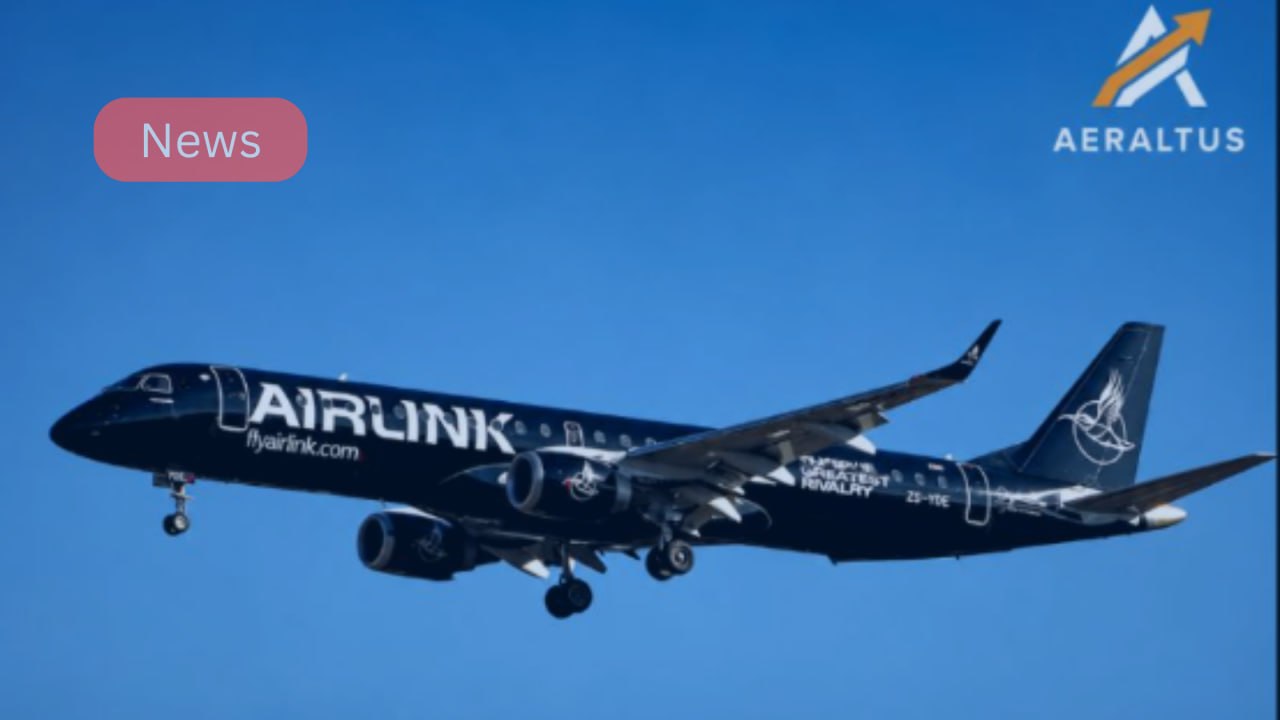

South African regional carrier Airlink will launch direct flights between Lanseria International Airport (HLA) and Harare’s Robert Gabriel Mugabe International Airport (HRE) starting November 15, 2026. According to aviation analytics page Aeraltus on LinkedIn, the carrier will operate three weekly flights using a 98-seat Embraer E190 aircraft.
This move marks a historic shift for Lanseria International Airport. Located northwest of Johannesburg, Lanseria has primarily served domestic low-cost traffic and private aviation. The new Lanseria Harare route expansion gives the facility its first scheduled international air service, providing a convenient alternative for travelers based in Sandton, Fourways, and Pretoria.
Airlink will maintain its existing high-frequency services out of Johannesburg’s primary hub, O.R. Tambo International Airport (JNB). By operating simultaneously from both airports, Airlink is testing passenger demand and route dynamics in southern African aviation.
Airlink Strategy and Regional Aviation Growth
The regional air travel market between Johannesburg and Harare represents one of Africa’s busiest cross-border corridors. Current flight schedules across all carriers generate approximately 60,000 seats per month between the two hubs. By entering Lanseria, Airlink taps into an affluent catchment area without surrendering its footprint at JNB.
Regulatory approvals indicate that Airlink holds rights for up to two daily flights between Lanseria and Harare, alongside a daily service connecting Lanseria to Bulawayo (BUQ). The initial three-weekly schedule serves as a commercially low-risk entry point to test passenger preference for secondary airport access restrictions and convenience.This dual-hub strategy mirrors successful secondary airport operations seen in global aviation, where airlines capture high-yield business travelers seeking reduced airport transit times.
Southern African Aviation Outlook and Competitive Shifts
The commercial success of this expansion depends on whether Airlink generates net-new passenger traffic or redistributes existing O.R. Tambo passengers. Additionally, broader corporate movements could alter secondary airport access in Gauteng. Private equity firm Harith General Partners maintains an ownership stake in Lanseria Airport while navigating acquisition activity involving low-cost carrier FlySafair.
As regional trade under the African Continental Free Trade Area (AfCFTA) expands, secondary airport access restrictions and cross-border connectivity will play a crucial role in supporting corporate mobility.
Industry Outlook: What’s Next?
- Bulawayo Launch: Industry analysts are watching whether Airlink exercises its approved daily traffic rights between Lanseria and Bulawayo.
- Competitor Responses: Rivals operating JNB-HRE routes may adjust capacity or pricing to protect market share.
- Lanseria Infrastructure: Success on the Harare route could prompt Lanseria International Airport to expand customs, immigration, and international passenger handling capabilities.







