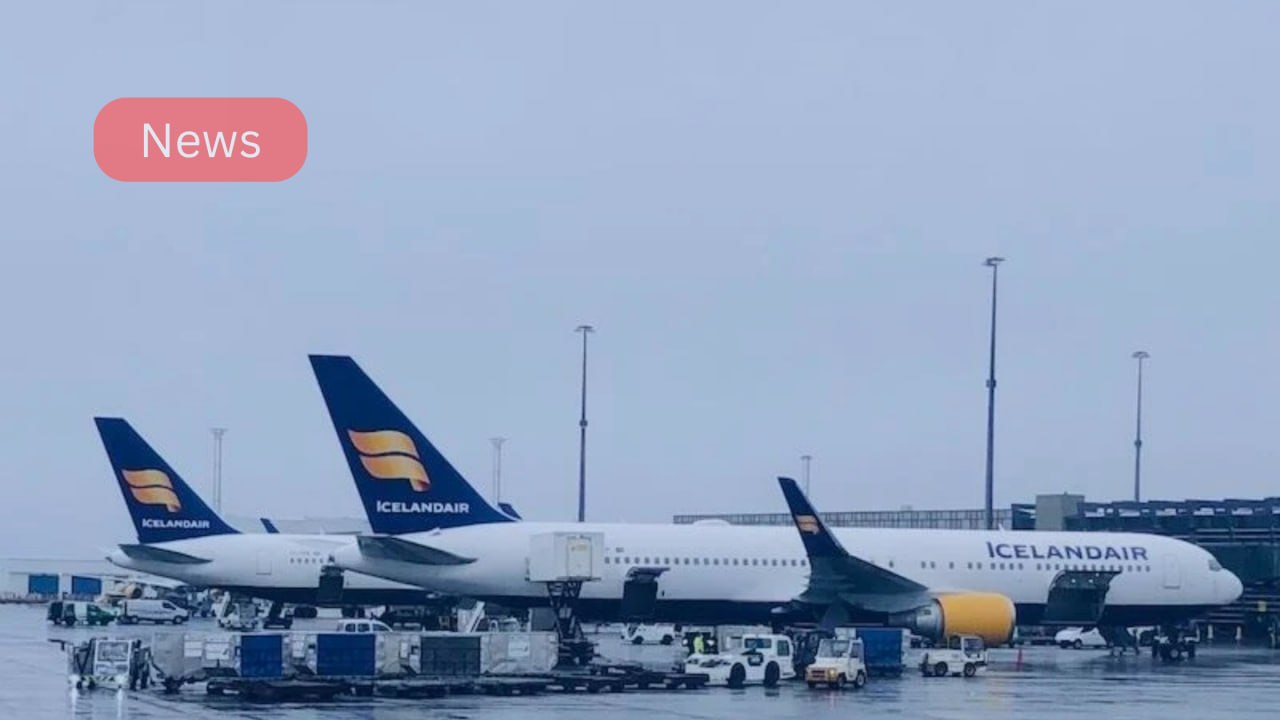

Icelandair is accelerating its long-planned fleet renewal project. High jet fuel prices and new aircraft deliveries are forcing the carrier to phase out its classic Boeing 757-200 and 767-300ER fleets earlier than original schedules indicated. Experienced aviation journalist Kurt Hofmann reported for Aviation Week Network that elevated operating expenses prompted management to reassess the economics of these aging twinjets.
The Icelandic flag carrier relies on its strategic location at Keflavík International Airport (KEF) near Reykjavík. For over three decades, the legendary Boeing 757 formed the backbone of the airline’s transatlantic connecting model between Europe and North America. However, modern single-aisle aircraft now deliver superior range and efficiency, making the Icelandair Boeing 757 retirement a logical next step for long-term competitiveness.
Shifting Transatlantic Flight Economics Force Faster Action
Rising energy markets directly alter transatlantic flight economics. Older aircraft like the Boeing 757 burn significantly more fuel per seat-mile than modern alternatives. Consequently, operating legacy jets on competitive North Atlantic corridors creates severe margin pressure during volatile market cycles.
Icelandair President and CEO Bogi Nils Bogason emphasized that structural cost reductions remain vital. The carrier launched strategic improvement initiatives to cut unit expenses while expanding seating capacity on high-demand routes. Modern engines on newer aircraft cut carbon emissions and fuel burn by up to 20–30% compared to previous generations.
The Airbus A321LR Transition Powers Hub Strategy
The ongoing Airbus A321LR transition marks a historic shift for an airline that operated Boeing jets exclusively for decades. Icelandair introduced its first leased Airbus A321LR in late 2024. Additional deliveries will allow the airline to retire its remaining 757s faster than expected.
In addition, Icelandair holds direct orders for the extra-long-range Airbus A321XLR, scheduled to arrive by 2029. This transition creates a unified narrowbody fleet structure tailored to North Atlantic traffic demands.
Strategic Impact on Operations
- Fuel Efficiency: Next-generation narrowbodies significantly reduce unit fuel costs.
- Passenger Experience: Modern cabins provide lower noise levels, larger overhead bins, and modern inflight entertainment.
- Network Flexibility: Single-aisle jets allow thinner secondary markets to open without widebody risk.
Optimizing the Keflavik Hub Network
The airline’s geographic footprint remains its greatest asset. Operating out of the Keflavik hub network, Icelandair connects major cities like Boston, New York, Seattle, and London with seamless mid-Atlantic transfers. Single-aisle aircraft fit this hub-and-spoke geography perfectly, offering the optimal balance of seating capacity and range.
Managing the heavy airline fuel cost impact is crucial for regional stability. International Air Transport Association (IATA) data indicates fuel accounts for nearly 30% of total airline operating costs. Phasing out thirsty twinjets protects profitability while supporting global airline decarbonization targets.
Industry Outlook: What’s Next for Icelandair?
The decision to retire legacy Boeing airframes earlier than planned underlines a broader trend across commercial aviation. Mid-sized transatlantic carriers are rapidly moving toward flexible, high-efficiency narrowbody models like the A321LR and A321XLR.
Icelandair is positioning itself for sustained profitability through lowered unit costs and enhanced environmental compliance. Passengers can expect quiet, modern cabins, while investors benefit from reduced exposure to global jet fuel spikes. As the final Boeing 757 flights wrap up, Icelandair begins an exciting chapter powered by next-generation technology.







