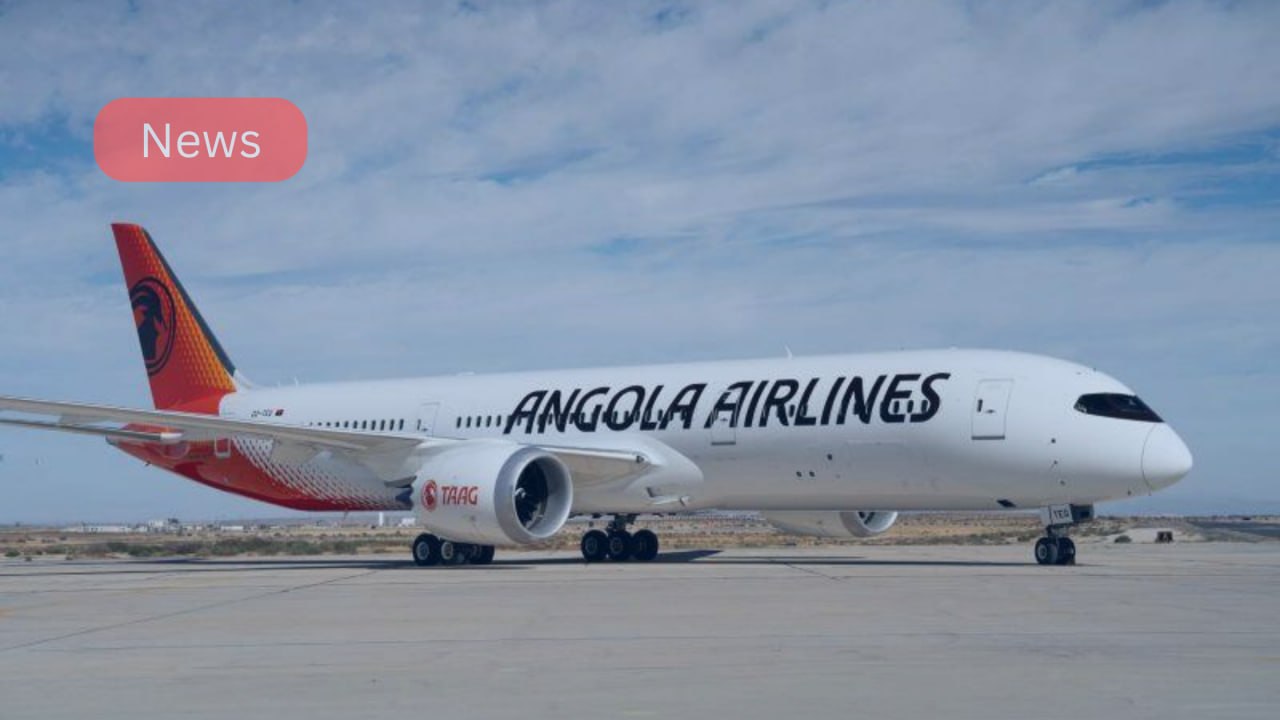

TAAG Angola Airlines is rapidly advancing its TAAG Boeing 787 fleet modernization program, combining new widebody deliveries with advanced technical capabilities at its Luanda operational hub. According to Aviation Week journalist Keith Mwanalushi, the Angolan flag carrier is actively building in-house maintenance expertise and deploying digital fleet management tools as it integrates next-generation Boeing 787 Dreamliners into its European long-haul network.
Strategic Fleet Expansion and European Route Integration
The national carrier reached a major operational milestone by introducing the Boeing 787-10 on its core Luanda–Lisbon route following European Union Aviation Safety Agency (EASA) certification. The 367-seat aircraft offers a 25% reduction in fuel consumption and carbon emissions compared to legacy widebodies.
To support this expansion, the airline secured approximately $297 million in export financing from the Export-Import Bank of the United States (EXIM). This package covers Boeing 787-10 airframes and General Electric GEnx engines, directly supporting long-haul profitability.
Key Milestones in TAAG’s Modernization Strategy
- Digital Maintenance Adoption: Integration of Boeing’s Airplane Health Management and Fleet Link suites to enable real-time diagnostic monitoring.
- Technical Partnerships: Collaboration with Lufthansa Technik to deliver comprehensive component support and line maintenance training.
- Infrastructure Transition: Full relocation of international flight operations to Dr. António Agostinho Neto International Airport (AIAAN) in Luanda.
- Capacity Enhancement: Replacement of aging Boeing 777-200ER models on primary intercontinental routes to Europe and South America.
Advancing Boeing 787 Dreamliner Maintenance Infrastructure
Building robust Boeing 787 Dreamliner maintenance infrastructure remains a core requirement for African air carriers transitioning to composite-intensive airframes. TAAG is combining digital diagnostic tools with specialized technician training to keep heavy line maintenance local.
By partnering with global maintenance providers, TAAG is reducing its historical dependency on overseas MRO facilities. This technical self-reliance protects operational margins against supply chain disruptions and foreign exchange volatility.
Industry Impact: Fueling African Aviation MRO Growth
TAAG’s strategic investments reflect broader African aviation MRO growth, driven by rising passenger demand across the continent. Data from the International Air Transport Association (IATA) and the African Airlines Association (AFRAA) projects African passenger traffic to grow at 7.4% annually over the next two decades.
This growth requires regional carriers to scale up local technical expertise. By establishing specialized MRO hubs in Southern Africa, TAAG positions Luanda as a regional center for commercial aircraft maintenance, serving domestic, regional, and intercontinental routes.
Industry Outlook: What’s Next for TAAG Angola Long-Haul Expansion?
As TAAG takes delivery of its remaining 787 widebodies, the carrier plans to leverage its lower operating costs to support TAAG Angola long-haul expansion into new markets across Asia and North America.
The combination of modern Boeing 787 aircraft, digital fleet management, and localized maintenance capabilities positions TAAG to achieve financial breakeven while establishing Angola as an aviation transit hub for West and Southern Africa.







